
What Are Biodegradable Paper Cups and How Do They Work?
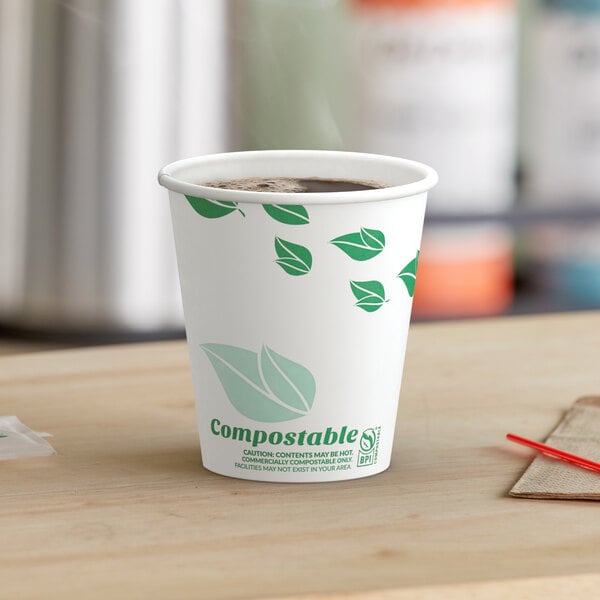
Biodegradable paper cups are a sustainable alternative to traditional paper cups and plastic cups. They are made from renewable resources and designed to break down more easily in the environment.
What are biodegradable paper cups made of?
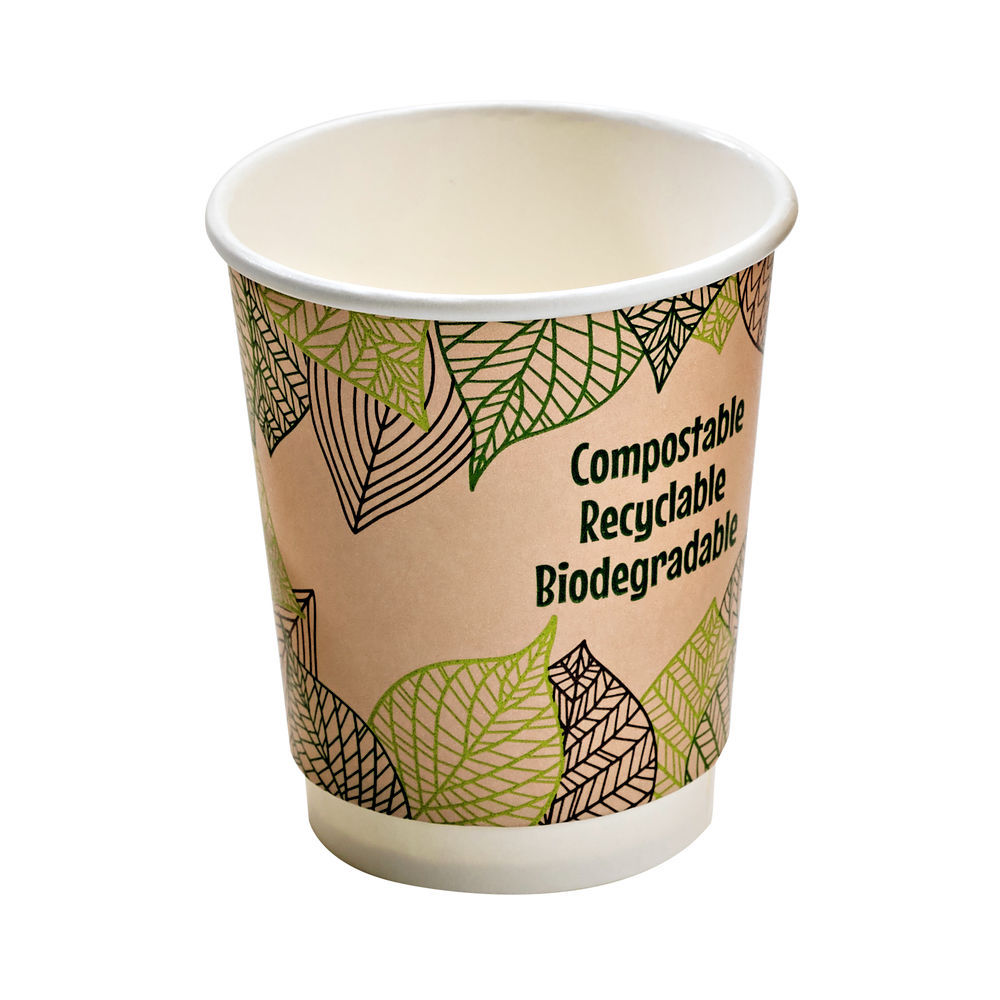
These eco-friendly cups commonly feature an outer layer made from paper, combined with a lining made from bioplastics like polylactic acid (PLA). PLA is derived from corn starch and other natural materials. In contrast, standard paper cups are lined with polyethylene, which complicates recycling efforts. This combination makes biodegradable paper cups a more sustainable option since they come from renewable sources rather than fossil fuels.
How do biodegradable paper cups decompose compared to traditional paper cups?
Biodegradable paper cups take significantly less time to decompose than traditional paper cups. Under controlled industrial composting conditions, PLA cups can break down within 90 to 120 days. In contrast, standard paper cups can take years to decompose. This quicker breakdown not only reduces landfill waste but also helps minimize the environmental impact of our consumption patterns.
What environmental benefits do biodegradable paper cups offer?
The environmental benefits of using biodegradable paper cups are substantial. First and foremost, their production results in a 64% lower carbon footprint compared to traditional plastic-lined paper cups. This reduction stems from a decreased reliance on fossil fuels. Additionally, biodegradable cups contribute less to pollution, as they don’t leave behind harmful plastics that linger in the environment for centuries.
How do materials like PLA contribute to the biodegradability of these cups?
PLA is a key player in the biodegradability of these cups. It is a bioplastic that responds favorably to composting conditions. Unlike conventional plastics, which can take hundreds of years to break down, PLA cups can decompose into organic matter. This process enriches the soil and prevents the accumulation of waste in landfills.
What is the role of certifications like ASTM D6400 and EN 13432?
Certifications such as ASTM D6400 and EN 13432 are essential standards for biodegradable products. They ensure that biodegradable paper cups meet compostability benchmarks. Compliance with these certifications means that users can trust the cups will break down as claimed, without leaving harmful residues. This adds a layer of credibility and assurance when choosing these eco-friendly products.
Are biodegradable paper cups harmful to the soil after disposal?
Extensive studies indicate that biodegradable paper cups have minimal impact on soil health after disposal. Soil toxicity tests show that unlike traditional plastic cups, which may leach harmful chemicals, biodegradable paper cups tend to break down without harming the soil or its organisms. This means you can feel confident in using these cups without worrying about long-term environmental harm.
How long do biodegradable paper cups take to break down in composting facilities?
In commercial composting facilities, biodegradable paper cups typically take between 90 to 180 days to fully decompose. This timeframe is significantly shorter than regular paper cups, which can take several years. With the right conditions, like heat and moisture, these cups become compost, enriching the soil and promoting a healthier environment.
Why is it important to understand the differences between biodegradable and compostable?
Understanding the differences between biodegradable and compostable items is crucial for responsible consumption. While both terms imply that a product will break down, compostable products like biodegradable paper cups are designed to break down into safe compost through a specific process. Biodegradable items can decompose in a broader range of environments, which does not guarantee a safe return to nature. Knowing these distinctions allows consumers to make informed choices that better align with their environmental goals.
Quick Reference Chart of Biodegradable Paper Cups
| Feature | Biodegradable Paper Cups | Traditional Paper Cups | Plastic Cups |
|---|---|---|---|
| Material | Paper, PLA | Paper, polyethylene | Plastic (PET, PS) |
| Decomposition Time | 90-180 days | Several years | Hundreds of years |
| Carbon Footprint | 64% lower | Higher | Highest |
| Soil Impact | Minimal | Harmful | Harmful |
| Composting Certification | ASTM D6400, EN 13432 | None | None |
| Produce From Renewable Sources | Yes | No | No |
With the growing awareness of environmental issues, the demand for biodegradable paper cups continues to rise. More cafes and restaurants are making the switch, with over 30% leading the way in adopting these sustainable options. This change is not just a trend; it's a reflection of a collective shift toward protecting our planet.
How Do Biodegradable Paper Cups Compare to Plastic Options?

When it comes to disposable cups, many people wonder about the differences between biodegradable paper cups and plastic cups. Biodegradable paper cups are made from renewable resources, while plastic cups are derived from fossil fuels. Let's dive deeper into the specifics of these materials to understand their impacts on our health and the environment.
Biodegradable paper cups are typically constructed from materials like PLA (polylactic acid) which is sourced from corn starch. This allows them to break down much more easily compared to standard plastic options. In contrast, most plastic cups can take hundreds of years to decompose. As a result, biodegradable paper cups can compost within 90 to 120 days under industrial conditions. This stark difference shows how biodegradable cups can benefit the environment greatly, by reducing landfill waste.
Carbon Footprint Comparison
One of the most significant advantages of biodegradable paper cups is their lower carbon footprint. Studies show that the production of biodegradable cups results in a 64% lower carbon footprint compared to traditional plastic cups. This reduction primarily comes from a decreased reliance on fossil fuels. Using renewable resources not only lessens greenhouse gas emissions but also promotes a more sustainable approach to production.
Health Risks of Using Plastic Cups
Another crucial topic to consider here is the potential health risks associated with plastic cups. Many plastic products may leach harmful chemicals, such as BPA (Bisphenol A), into beverages. This has been linked to various health risks, including hormonal disruptions. On the other hand, biodegradable paper cups are generally made from materials that are 100% plastic-free and BPA-free. These cups offer a safer option for consumers, especially when using them for hot beverages.
Importance of Switching to Biodegradable Options
Switching from plastic to biodegradable options is vital for our planet. Statistics support this need. Recent surveys show that 64% of millennials are willing to pay more for sustainable packaging. Additionally, about 30% of coffee shops made the switch to using compostable cups in 2023. The growing interest in eco-friendly cups reflects consumer awareness and a significant shift in preferences towards greener alternatives.
Drawbacks of Biodegradable Paper Cups
While biodegradable paper cups have many advantages, they are not without drawbacks. One point to consider is their performance under certain conditions. Unlike plastic cups, which are often waterproof and can hold liquids for a long time, biodegradable cups can struggle with heat retention and moisture, especially if not manufactured correctly.
Consumer Awareness and Adoption
The impact of consumer awareness plays a huge role in the adoption of biodegradable paper cups. As people become more informed about environmental issues, they seek eco-friendly alternatives. Educating consumers on the benefits and proper disposal methods for biodegradable cups is essential for enhancing their usage and acceptance in the market. In fact, businesses that promote their use can see a boost in customer loyalty and sales as they align with the values of environmentally conscious consumers.
Innovations Driving Down Costs
Recent innovations in production have also made biodegradable options more accessible. One such innovation involves using sustainable materials such as sugarcane fiber and bamboo to create eco-friendly cups, lids, and straws. As production scales and technology advances, the overall cost of biodegradable cups is expected to decline. Based on market predictions, we could see these price reductions by 2025. This trajectory can help more businesses shift away from plastic, ultimately leading to a more sustainable future.
In today’s world, the move toward biodegradable paper cups is essential for promoting a healthier environment. Understanding the major differences between biodegradable and plastic cups can greatly influence our choices. The lower carbon footprint, potential health benefits, and innovation in production all point to a positive future for biodegradable options. It’s time to embrace eco-friendly alternatives and foster a more sustainable planet.
Where Can You Purchase Biodegradable Paper Cups and Accessories?
Understanding where to buy biodegradable paper cups is crucial for individuals and businesses looking to make eco-friendly choices. Buying biodegradable cups helps reduce waste and lowers carbon footprints. Let's explore the best options for purchasing these sustainable products.
What are the most popular brands and suppliers of biodegradable paper cups?
Several brands stand out in the market for biodegradable paper cups:
- BioCup: This brand offers a variety of single and double-wall cups. They also make cold paper cups and lids that meet industrial composting standards.
- EcoQuality: Known for their plastic-free and BPA-free cups, EcoQuality cups maintain their integrity regardless of temperature, making them great for both hot and cold drinks.
- Green Paper Products: They provide a range of eco-friendly disposable items, including PLA-lined paper cups, that are compostable and made from recycled materials.
- World Centric: Specializing in sustainable packaging, this company offers various cup sizes and styles certified for composting.
These brands ensure standards are met and emphasize sustainability through their product offerings.
Where can consumers find biodegradable paper cups in bulk or for individual use?
Biodegradable paper cups are widely available. Here are various sources:
- Wholesale Suppliers: Companies like ULINE and WebstaurantStore offer bulk purchasing options, catering specifically to restaurants and events.
- Retail Stores: Many grocery stores and health food shops now carry biodegradable cups alongside other eco-friendly items.
- Online Marketplaces: Websites like Amazon and eBay provide options for both bulk and individual purchases.
- Specialty Eco-Stores: Some stores focus specifically on green products, making it easy to find biodegradable cups and accessories.
This variety ensures that you can source biodegradable paper cups according to your needs, whether buying for personal use or large events.
What factors should consumers consider when purchasing biodegradable paper cups?
When purchasing biodegradable paper cups, keep the following elements in mind:
- Material: Look for cups made from renewable resources, such as PLA or bamboo.
- Certification: Ensure they meet composting standards like ASTM D6400 or EN 13432.
- Size and Usage: Choose sizes compatible with your beverage needs. Consider whether you need hot, cold, or both types.
- Price: Prices can vary significantly. Buying in bulk usually yields savings, and checking multiple suppliers may help you find better deals.
- Availability of Accessories: Look for places that offer complementary products, such as lids and straws, which enhance the sustainability of your packaging.
Checking these factors can guide you toward making a well-informed purchase.
How do pricing and shipping options vary among suppliers?
| Size | Approximate Price per Cup | Notes |
|---|---|---|
| 8 oz | $0.10 – $0.15 | Standard coffee cups |
| 12 oz | $0.12 – $0.18 | Often used for hot beverages |
| 16 oz | $0.15 – $0.20 | Common for larger drinks |
Shipping Options:
- Many suppliers offer free shipping on orders over a certain amount, commonly $89 within the continental U.S.
- Review shipping costs as they can impact the overall price, especially for bulk orders.
Watching for sales and comparing suppliers can save you money.
Are there any eco-friendly accessories available to complement biodegradable paper cups?
Yes, eco-friendly accessories are widely available. Here are some options:
- Biodegradable Lids: These are made from PLA or sugarcane materials. They help reduce plastic use while still providing a seal for drinks.
- Cup Sleeves: Often made from recycled paper, sleeves keep your hands safe from heat while adding a layer of insulation.
- Straws: Compostable straws made from PLA or paper are great for cold drinks.
- Trays and Spoons: Many suppliers also offer compostable serving trays and utensils, perfect for events aiming for minimal environmental impact.
Using these accessories enhances the overall eco-friendliness of your beverages.
What should consumers know about disposal methods when using these cups?
Proper disposal of biodegradable cups is essential to their environmental benefits. Here are some guidelines:
- Composting Facilities: Many biodegradable cups require commercial composting. Ensure your local compost facility accepts these materials.
- Separate Bins: Always use designated compost bins for disposal. Conventional recycling bins may not handle these cups, leading to landfill waste.
- Community Education: Learn about local disposal methods and educate others on the importance of proper waste separation. By doing this, you help increase the acceptance and effectiveness of biodegradable products.
Understanding how to properly dispose of these cups can enhance their positive impact.
How can consumers educate themselves about the best practices for using biodegradable paper products?
Educating yourself about biodegradable paper products can be achieved through several means:
- Online Research: Numerous resources and articles discuss biodegradable materials, their benefits, and disposal methods.
- Documentaries and Videos: Many films and educational videos provide insight into the environmental impacts of waste and the transitions to biodegradable products.
- Local Workshops: Check local community centers or environmental organizations. They may host workshops focused on sustainable practices.
- Social Media Groups: Join eco-friendly groups to share and learn about best practices and products.
Staying informed keeps you engaged with sustainable choices and helps spread awareness.
What online platforms offer reliable purchasing options for biodegradable cups?
Several platforms are known for reliable purchases of biodegradable cups:
- Amazon: A vast selection with customer reviews helps guide your purchasing decisions.
- WebstaurantStore: Specifically caters to food service with a range of options.
- U.S. Eco Products: Focuses exclusively on eco-friendly items, ensuring a dedicated collection.
- BulkSupplements: While primarily health-focused, it provides eco-friendly options for bulk buying.
Browsing these platforms allows you to compare products, prices, and purchasing experiences, leading to the right choices for your needs.
Comparison Table of Environmental Impact
| Factor | Biodegradable Paper Cups | Traditional Paper Cups | Plastic Cups |
|---|---|---|---|
| Carbon Emissions | 64% lower | Higher | Highest |
| Time to Decompose | 90-180 days | Several years | Hundreds of years |
| Soil Health After Disposal | Minimal impact | Harmful | Harmful |
| Main Material Source | Renewable resources | Fossil fuels | Fossil fuels |
This table summarizes the environmental impacts of different cup types, helping consumers understand the significant benefits of choosing biodegradable options.
FAQs about Biodegradable Paper Cups
What are biodegradable paper cups made of?
A: Biodegradable paper cups are made from renewable resources, featuring an outer layer of paper and a lining made from bioplastics like polylactic acid (PLA), which is derived from corn starch.
How do biodegradable paper cups decompose compared to traditional paper cups?
A: Biodegradable paper cups decompose significantly faster than traditional paper cups, breaking down within 90 to 120 days in industrial composting conditions, while standard paper cups can take years to decompose.
What environmental benefits do biodegradable paper cups offer?
A: The environmental benefits of biodegradable paper cups include a 64% lower carbon footprint compared to traditional plastic-lined paper cups, reduced pollution, and minimal impact on soil health.
What is the role of certifications like ASTM D6400 and EN 13432?
A: Certifications such as ASTM D6400 and EN 13432 ensure that biodegradable paper cups meet compostability benchmarks, providing assurance that the products will break down without leaving harmful residues.
How long do biodegradable paper cups take to break down in composting facilities?
A: Biodegradable paper cups typically take between 90 to 180 days to fully decompose in commercial composting facilities, compared to several years for regular paper cups.
Biodegradable paper cups are a great choice for eco-friendly living. They break down faster than regular paper cups, which helps our planet. Understanding the materials and certifications behind these cups is key. They pose little risk to soil health after disposal. While they have some drawbacks, their benefits greatly outweigh the concerns.
In short, switching to biodegradable cups is an easy way to help the environment. Let's keep learning and choosing smart, eco-friendly options for our everyday use.