
What Types of Environmentally Friendly Cups Are Available?
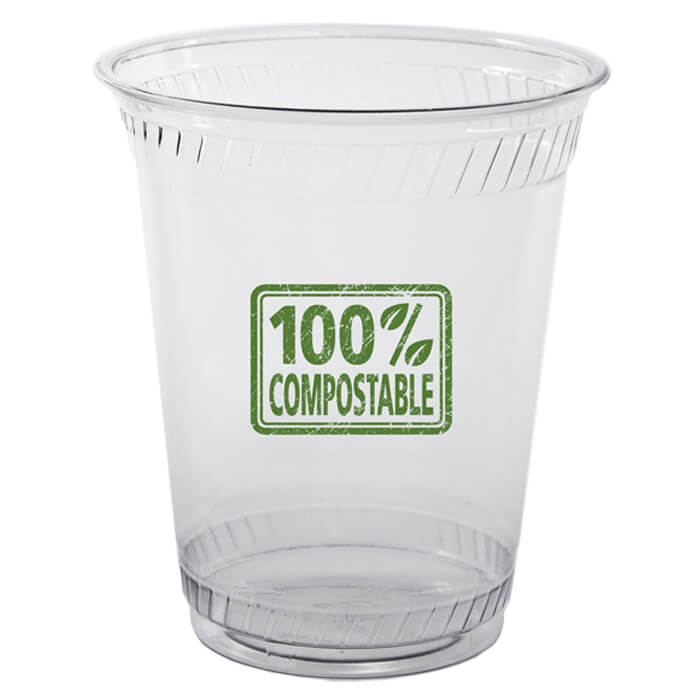
Environmentally friendly cups are essential in our effort to reduce waste and protect the planet. With around 500 billion plastic cups thrown away each year, finding sustainable alternatives is crucial. But what are the options?
Many people often confuse biodegradable and compostable cups. Biodegradable cups can break down over time but may leave behind microplastics. They're made from materials that can decompose in nature. Compostable cups, on the other hand, are specifically designed to break down efficiently in composting environments, like commercial facilities. These products are certified by organizations such as the Biodegradable Products Institute (BPI). They contain no harmful chemicals and leave no toxic residues.
Biodegradable cups can be made from a range of materials such as plant-based plastics and natural fibers. For instance, they often use polylactic acid (PLA), a plant-based plastic made from cornstarch. It breaks down into natural elements in about 12 weeks in a commercial composting facility. That’s a sharp contrast to traditional plastic, which can take hundreds of years to decompose.
Compostable cups usually consist of materials that are entirely plant-based. Many disposable eco-friendly cups are made from plant starch and upcycled sugarcane bagasse. Bagasse is a by-product of sugarcane processing, making it sustainable and renewable. These cups enhance soil health by breaking down into nutrient-rich compost.
When we talk about reusable versus disposable environmentally friendly options, both have their place. Reusable cups can save money and significantly cut plastic waste over time. However, disposables may be more practical for events or cafes. Using cups labeled as "eco-friendly" provides a more sustainable choice for single-use items.
There are several key materials used in eco-friendly cups:
| Material | Description |
|---|---|
| PLA (Polylactic Acid) | Made from corn starch, PLA is common in disposable cups. |
| Bagasse | A natural fiber made from sugarcane, known for its strength. |
| Bamboo | Fast-growing and renewable, bamboo cups are environmentally conscious. |
| Recycled Paper | Many brands use recycled materials for paper cups, making them more sustainable. |
Sizes vary by type. Many brands offer cups in standard sizes like 8 oz, 12 oz, and 16 oz. Some even provide larger options, like 160 oz for big gatherings. There’s a cup size for every drink, from coffee to cold beverages!
Designs also differ based on brand and purpose. Eco-brands focus on aesthetics while prioritizing sustainability features. For example, the UNIQ Eco-Friendly Compostable Cups stand out with vibrant colors and clean designs. They use soy-based inks, ensuring that even colorful prints do not hinder the composting process.
When shopping for eco-friendly cups, it’s wise to look for specific certifications:
- BPI Certification: Indicates that the product is compostable in commercial facilities.
- CMA Certification: Signifies compliance with the compostability of materials.
- TüV Austria Certification: Ensures the environmental safety and integrity of the product.
Using eco-friendly cups contributes to a sustainable lifestyle. They can help reduce the impact of waste and replenish ecosystems. That’s a win-win for everyone who wants to be more environmentally conscious! By knowing about the types and materials used in these cups, you can make better choices for your home or business. Choosing wisely helps protect our environment and create a better future.
What Are the Benefits of Using Environmentally Friendly Cups?
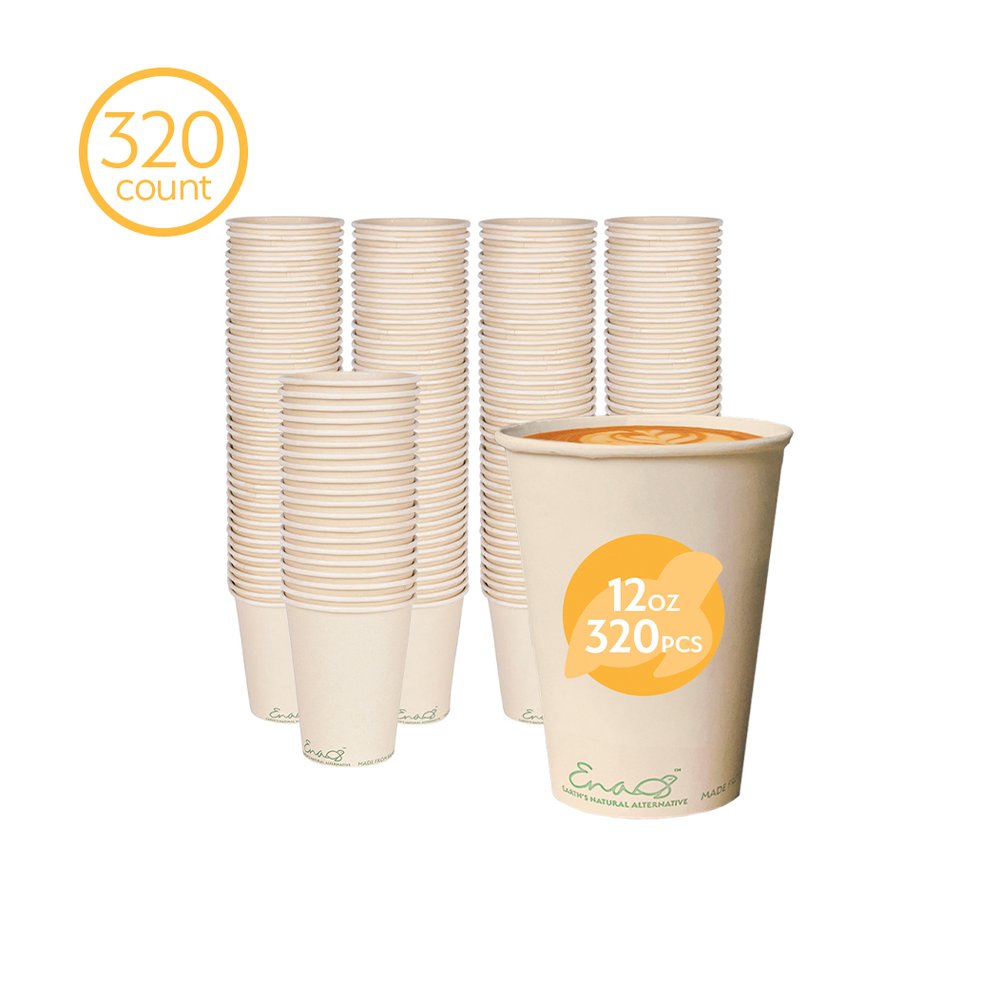
Using environmentally friendly cups is more important than ever. They provide several benefits that help protect our planet. Let's explore these advantages in detail.
How do environmentally friendly cups reduce plastic waste?
Approximately 500 billion plastic cups are discarded globally each year. This staggering figure averages out to about 71 cups per person. Many of these end up in landfills or oceans, harming wildlife. Environmentally friendly cups, like compostable cups and biodegradable plastic cups, aim to reduce this waste.
These cups are often made from plant materials. For example, compostable cups with lids are made from plant starch and bagasse, a byproduct of sugar. These materials break down in composting facilities, transforming into nutrient-rich compost. Unlike traditional plastic cups that can last thousands of years in landfills, compostable alternatives decompose quickly, often within weeks.
What is the impact of using compostable cups on soil health?
When compostable cups decompose, they enrich the soil with organic matter. This improves soil health by enhancing its ability to hold water and nutrients. Studies have shown that compost improves plant growth and supports beneficial organisms in the soil.
For instance, when compostable paper cups break down, they release valuable nutrients like nitrogen, phosphorus, and potassium. These elements are essential for plant growth. Thus, by choosing compostable cups for weddings or events, you can contribute to soil health and sustainability.
Are there health benefits to using eco-friendly cups (e.g., free from BPA)?
Yes, there are significant health benefits to using eco-friendly cups. Many traditional disposable cups contain harmful chemicals like BPA (Bisphenol A), which can seep into food and beverages. Environmentally friendly cups are usually free from these toxic substances.
For example, brands like Eco-Products and Repurpose offer cups that are certified BPA-free. This certification gives consumers peace of mind. When you drink from an eco-friendly cup, you avoid exposure to harmful chemicals for you and the planet.
What role do these cups play in supporting sustainable practices?
Environmentally friendly cups support sustainable practices in many ways. They are often made from renewable resources. Sourcing materials like cornstarch or bamboo encourages responsible farming practices.
Additionally, these cups promote composting and waste reduction. Many events and venues now encourage guests to compost used cups, which helps divert waste from landfills. By using compostable cups, you play a crucial role in a broader movement towards sustainability.
How do environmentally friendly cups contribute to a circular economy?
A circular economy aims to eliminate waste through redesign and reuse. Environmentally friendly cups fit perfectly into this system.
When these cups are composted, they return valuable nutrients to the soil. This process supports new plant growth, creating a cycle of use. By utilizing plant-based materials, we minimize reliance on petroleum-based products too.
For example, compostable cups made from PLA (polylactic acid) break down into organic materials that replenish the earth. This circularity reduces the extraction of new resources and minimizes environmental damage.
| Cost Comparison | Traditional Disposable Cups | Eco-Friendly Cups |
|---|---|---|
| Price per Unit | $0.20 | $0.31 |
| Long-term Costs | Hidden environmental costs | Sustainable benefits |
| Waste Management | Higher costs | Lower waste disposal fees |
What are the cost differences between eco-friendly cups and traditional disposable cups?
While eco-friendly cups might seem more expensive upfront, they provide long-term savings. Traditional disposable cups can cost less, but they come with hidden environmental costs.
Many businesses today are willing to pay a little extra for products that align with their values. Over time, the shift towards sustainable products may lead to lower waste disposal fees for companies embracing eco-friendly cups.
Why should businesses consider adopting environmentally friendly cups?
Businesses should consider adopting environmentally friendly cups for several reasons:
-
Brand Image: More consumers prefer brands that prioritize sustainability. Eco-friendly cups enhance a company's reputation.
-
Compliance: Many local laws and regulations are moving towards banning specific plastic products. Adopting eco-friendly options prepares businesses for future legislation.
-
Customer Loyalty: Customers are more likely to return to businesses that show a commitment to environmental protection.
-
Waste Reduction: Using compostable cups reduces waste disposal costs and minimizes the environmental impact of business operations.
-
Product Variety: There are endless options for eco-friendly cups, from compostable paper cups to biodegradable plastic cups, tailored to meet different business needs.
In conclusion, transitioning to environmentally friendly cups is a wise decision. The benefits in waste reduction, health safety, and sustainability make these cups a valuable addition to any event or business. Embracing eco-friendly practices helps create a better world for all of us.
Where to Purchase Environmentally Friendly Cups?
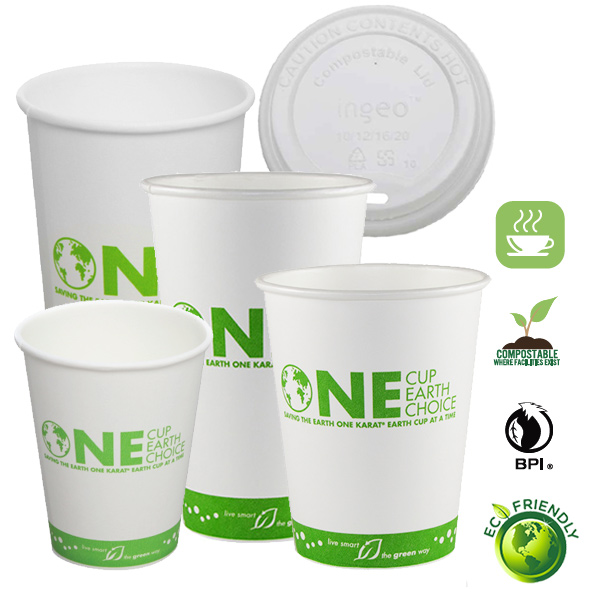
Finding environmentally friendly cups is key to reducing plastic waste and promoting a cleaner planet. Let’s dive into where you can find compostable and eco-friendly cups both locally and online.
Where can you buy compostable cups locally?
To buy compostable cups near you, look for local retailers that specialize in eco-friendly products. Here are a few options:
- Health Food Stores: Many local health food stores carry eco-friendly cups. Brands like Eco-Products often stock these items in their inventory.
- Party Supply Stores: Check party supply stores, as they usually sell disposable cups for events. They may carry compostable options for parties or gatherings.
- Local Farmers' Markets: Vendors at farmers' markets often offer sustainable products, including compostable cups.
- Specialty Eco-Friendly Shops: Look for stores dedicated solely to eco-friendly goods. They frequently carry various brands of environmentally friendly cups.
What are the best online platforms to purchase eco-friendly cups?
For a wider selection, consider purchasing eco-friendly cups online. Here are some perfect platforms:
- Amazon: A significant selection of compostable cups can be found on Amazon. Search for "best compostable cups" to see top-rated options and customer reviews.
- Eco-Products: The brand specializes in sustainable products and often sells directly through their website, offering detailed information about their eco-friendly cups.
- Green Paper Products: This online store has a wide variety of compostable and biodegradable cups, making it easy to find what you need.
- Bulk Supply Stores: Websites like ULINE or WebstaurantStore sell compostable cups in bulk, ideal for businesses or large events.
How can you ensure quality when buying environmentally friendly cups in bulk?
When purchasing environmentally friendly cups in bulk, quality assurance is critical. Follow these guidelines:
- Read Reviews: Always check reviews on suppliers' websites to gauge quality. Positive feedback matters.
- Compare Certifications: Look for certifications like BPI, CMA, or TUV that confirm the cups are compostable.
- Ask About Ingredients: Ensure materials are safe, free from BPA, melamine, and phthalates. Quality products use plant-based plastics or bagasse.
- Trial Orders: Consider placing a smaller trial order before committing to a bulk purchase. This helps evaluate the quality and functionality of the cups.
Are there specific brands to trust when it comes to eco-friendly cups?
Certain brands stand out in the market for their quality and commitment to sustainability:
- Eco-Products – Known for their Green Stripe Cold Cups, they are compostable and BPA-free.
- Repurpose – They offer fully natural compostable cold cups, recognized for their stable design.
- World Centric – These cups are made from bagasse and are compostable, providing good versatility.
- Ecotainer – Offers moisture-resistant hot cups with a corn-based PLA lining, highly effective for coffee and tea.
- Earth’s Natural Alternative – Made from bamboo, they produce compostable cups that showcase sustainability efforts.
How can you compare prices and product quality across various retailers?
Comparing prices and product quality is essential to make informed decisions. Here’s how:
- Create a List: Write down the brands and styles you’re interested in.
- Visit Multiple Retailers: Check local shops, online platforms, and bulk suppliers.
- Record Prices: Document the prices for each cup type you find. Include any shipping costs as they can add up.
- Look for Coupons/Discounts: Many online vendors offer coupons or bulk purchase discounts.
- Inspect Product Descriptions: Carefully assess descriptions that detail material, size, and certifications.
What factors should you consider when selecting a supplier for compostable cups?
When choosing a supplier, keep these factors in mind:
- Reputation: Research suppliers to ensure they have positive reviews and a history of customer satisfaction.
- Product Variety: Suppliers who offer a range of sizes and types of cups meet diverse needs.
- Minimum Order Quantity: Make sure their minimum order aligns with your requirements, whether for a single event or regular supply.
- Sustainability Practices: Look for suppliers committed to ethical manufacturing and sustainable practices.
- Customer Service: Good communication and support from suppliers is crucial for handling any issues that may arise.
What trends are emerging in the market for environmentally friendly cups?

The demand for environmentally friendly cups has sparked some interesting trends:
- Innovative Materials: Many brands are experimenting with plant-based plastics and upcycled materials like sugarcane bagasse.
- Customization: Brands offer customization options on cups allowing businesses to promote their logos or messages in an eco-friendly manner.
- Color Variety: New products like UNIQ® Eco-Friendly Compostable Cups are introducing vibrant colors while maintaining compostability.
- Increased Distribution: As more businesses seek eco-friendly solutions, availability at local stores and online platforms has expanded further.
- Composting Education: More companies provide guidance on proper disposal and composting practices for their products.
Adopting these eco-friendly cups is a step toward a cleaner, greener future. By knowing where to find them, what to look for, and understanding current trends, you can make informed choices that benefit both your needs and the environment.
| Trend | Description |
|---|---|
| Innovative Materials | Use of sustainable materials like bagasse and plant-based plastics. |
| Customization | Options for brands to print their logos on eco-friendly cups. |
| Color Variety | Introduction of vibrant colors without compromising compostability. |
| Increased Distribution | Wider availability of eco-friendly products in local stores and online. |
| Composting Education | Companies providing information on composting practices for cups. |
FAQs about Environmentally Friendly Cups:
How do environmentally friendly cups reduce plastic waste?
Environmentally friendly cups, like compostable and biodegradable options, aim to significantly reduce the approximately 500 billion plastic cups discarded globally each year.
What is the impact of using compostable cups on soil health?
Using compostable cups improves soil health by enriching it with vital nutrients released during the decomposition process, contributing to better plant growth.
Are there health benefits to using eco-friendly cups (e.g., free from BPA)?
Yes, eco-friendly cups are usually free from harmful chemicals like BPA, providing a safer option for consumers who want to avoid exposure to toxic substances.
What role do these cups play in supporting sustainable practices?
Environmentally friendly cups promote sustainable practices by encouraging the use of renewable resources and composting, which helps reduce waste and environmental impact.
How do environmentally friendly cups contribute to a circular economy?
Environmentally friendly cups fit into a circular economy by returning valuable nutrients to the soil through composting, thus minimizing reliance on new resources and reducing environmental damage.
In this article, we explored many types of environmentally friendly cups, including biodegradable and compostable options. We discussed their benefits, such as reducing waste and fostering good soil health. I shared tips on where to purchase these cups and what to look for in quality products.
Overall, choosing eco-friendly cups is a smart move for both you and the planet. By making small changes, we can all support a greener future. Let’s make every sip count!