
What Are the Leading Coffee Cup Manufacturers in the USA?

The coffee cup manufacturing industry in the USA is diverse and dynamic. It caters to various needs ranging from eco-friendly options to custom logo cups. The industry showcases a mix of large-scale manufacturers and smaller boutique producers. Not only does it serve coffee shops but also restaurants, catering services, and event organizers.
Notable Manufacturers and Their Founding Years
| Manufacturer | Founded | Notable Products |
|---|---|---|
| International Paper Company | 1898 | Disposable cups |
| Dart Container Corporation | 1937 | A variety of cup offerings |
| Georgia-Pacific | 1927 | Dixie cups |
| Pactiv Corporation | 1947 | Paper and plastic products |
| EcoQuality Corporation | 2017 | Eco-friendly cups |
-
International Paper Company
- Founded: 1898
- Known for a wide range of paper products, including disposable cups.
-
Dart Container Corporation
- Founded: 1937
- A significant player in the disposable food service market with a large variety of cup offerings.
-
Georgia-Pacific
- Founded: 1927
- Famous for producing Dixie cups along with various other paper products.
-
Pactiv Corporation
- Founded: 1947
- They provide a robust selection of paper and plastic products.
-
EcoQuality Corporation
- Founded: 2017
- Focuses on eco-friendly products designed to meet modern environmental standards.
Each manufacturer has carved out a niche, focusing on their specialty to appeal to specific market segments.
Specialty and Niche Markets Within Coffee Cup Production
Manufacturers today cater to diverse market needs, including:
- Eco-Friendly Products: Many companies produce cups made from recyclable or compostable materials. This aligns with growing consumer demand for sustainability.
- Customization Options: The demand for branded coffee cups encourages manufacturers to offer custom designs and logos.
- Special Sizes and Shapes: Some cater to specific applications like promotional events or festivals.
Key Certifications and Quality Standards in the Industry
Certifications ensure that manufacturers meet quality and safety standards. Key certifications include:
- ISO 9001: Focuses on quality management systems.
- FSC Certification: Ensures that paper products come from responsibly managed forests.
- ASTM D6400: Certifies the compostability of products.
- FDA Compliance: Ensures that food containers meet safety regulations.
Comparison of Product Offerings Among Leading Manufacturers
| Manufacturer | Materials Used | Cup Types | Sizes Offered | Specialty Features |
|---|---|---|---|---|
| International Paper | Paper, Plant-Based | Hot cups, cold cups | 8oz, 12oz, 16oz, 20oz | Quality assurance compliant with FDA standards |
| Dart Container | Plastic, Paper | Hot and cold cups, lids | 12oz, 16oz, 20oz | Extensive customization options available |
| Georgia-Pacific | Paper | Dixie cups, Brawny towels | 8oz – 24oz | Focus on durability and brand recognition |
| Pactiv Corporation | Plastic, Paper | Custom cups, containers | Multiple sizes | Patented technology for better insulation |
| EcoQuality Corporation | Recycled Paper | Eco-friendly cups | 12oz, 16oz | 100% compostable and recyclable |
This table emphasizes differences in materials, types, and unique offerings across the main coffee cup manufacturers.
Testimonial Highlights from Businesses Using These Manufacturers
Businesses emphasize their satisfaction with these manufacturers’ products. For example:
-
Coffee Shops: “We switched to Dart Container for our cups. The quality is amazing and they offer fast shipping.”
-
Catering Services: “International Paper’s bio-cups are a game changer! Our customers love their environmental focus.”
-
Event Organizers: “Going with EcoQuality Corporation for our festival was a great choice. Their cups match our green mission perfectly.”
These testimonials reflect the importance of quality and service in the selection of coffee cup manufacturers.
Contact Details and Ordering Process for Each Manufacturer
Each company has its unique ordering process, often highlighted on their official websites. Here are general steps you would follow:
- Select Your Product: Choose from various cup types, sizes, and materials.
- Minimum Order Quantity: Typically ranges from 100 to 500 units.
- Request a Quote: Most manufacturers encourage potential clients to request a quote for transparent pricing.
- Submit Designs: For custom cups, graphics need to be submitted. Preferred file formats include AI or high-resolution PDFs.
- Sign a Contract: A custom print contract is usually required, along with a 50% deposit.
- Production Timeline: Lead times usually span 2 to 6 weeks, depending on complexity.
For businesses looking to maintain a steady supply, establishing a solid relationship with reliable manufacturers is essential. Each manufacturer’s specific details, including contact information, can be easily found through a simple search online. Always ensure to verify quality and ethical standards before choosing a partner in the coffee cup manufacturing field.
How Can You Choose the Right Coffee Cup Manufacturer for Your Business?

Choosing the right coffee cup manufacturer is a crucial decision for your business. As a potential buyer, you should consider multiple factors to ensure you find the best fit. Here are some key aspects to keep your eye on.
Factors to Consider When Selecting a Coffee Cup Manufacturer
First, assess the type of cups you need. Different manufacturers specialize in various designs and materials, such as ceramic, glass, and stainless steel. Ensure the manufacturer meets your quality standards and offers a range of products suited to your brand. Look into the reputation of potential partners. Reading customer reviews can provide clarity about their reliability.
Ensure you compare pricing. Different manufacturers might have varying costs due to their unique production processes. Familiarize yourself with reported experiences by businesses similar to yours. Factors like customer service, responsiveness, and general satisfaction are essential.
Importance of Understanding Customization Options
When selecting coffee cup manufacturers, customization options are vital. Most manufacturers provide choices for size, design, and printing. For example, you might want custom coffee cups with a logo to enhance your brand visibility.
Customization can include:
- Color printing: Attracts attention and can communicate your brand.
- Engraving: Adds a premium touch.
- Custom shapes: Stand out in the market.
These elements not only enhance your product’s appeal but also cater to your business needs.
Minimum Order Quantities and Pricing Structures
Another essential aspect is the minimum order quantity. This often ranges from 100 to 500 units, depending on the manufacturer. Small businesses may find it more suitable to start with lower quantities. Pricing also varies, typically between $1.50 and $5.00 per unit based on customization. It’s important to ask for a detailed quote.
| Manufacturer | Minimum Order Quantity | Price Per Unit |
|---|---|---|
| Manufacturer A | 200 | $2.00 |
| Manufacturer B | 500 | $3.50 |
| Manufacturer C | 100 | $4.00 |
Do not hesitate to negotiate terms that work for your business.
Evaluating Sustainability Practices
Sustainability is becoming more critical in the coffee cup industry. Customers increasingly demand eco-friendly options. Evaluate potential manufacturers based on their sustainability practices. Look for certifications like FSC Certification, ASTM D6400, or ISO certifications. These ensure their products are made responsibly.
Consider manufacturers that use:
- Water-based coatings
- Recycled materials
- Renewable energy in production
Choosing manufacturers that follow sustainable practices can enhance your brand image.
Recommendations for Small Businesses vs. Larger Companies
Small businesses should focus on flexibility and customization. Working with wholesale coffee cup manufacturers that cater to smaller orders is essential. Seek manufacturers that offer supportive customer service, so you can easily communicate your needs.
Larger companies may have different demands. They can benefit from bulk pricing and a broader selection of products. Thus, they should prioritize manufacturers known for their reliability and capacity to handle high-volume orders.
Sample Ordering Processes
Before committing to a manufacturer, inquire about their sample ordering process. Many manufacturers offer samples before full production. This allows you to evaluate product quality. Ask how long it takes to receive samples and if there are any costs involved.
Use this opportunity to test the cup types you may want. It can be crucial to ensure usability and customer satisfaction.
Lead Times and Their Implications
Understanding the lead times of each manufacturer is also key. Lead times can typically span between 2 and 6 weeks. The timeline often depends on the complexity and size of your order.
| Manufacturer | Lead Time (Weeks) |
|---|---|
| Manufacturer A | 4 |
| Manufacturer B | 6 |
| Manufacturer C | 2 |
Shorter lead times can help maintain supply chain consistency. Delays could affect your business operations. So, ensure you clarify lead times before finalizing your decision.
In summary, finding the right coffee cup manufacturer involves careful consideration of quality, customization, sustainability, and service level. Each aspect plays a crucial role in road-mapping your choice effectively. Remember, a successful decision enhances your brand image and improves customer satisfaction.
What Are the Current Trends and Innovations in Coffee Cup Manufacturing?
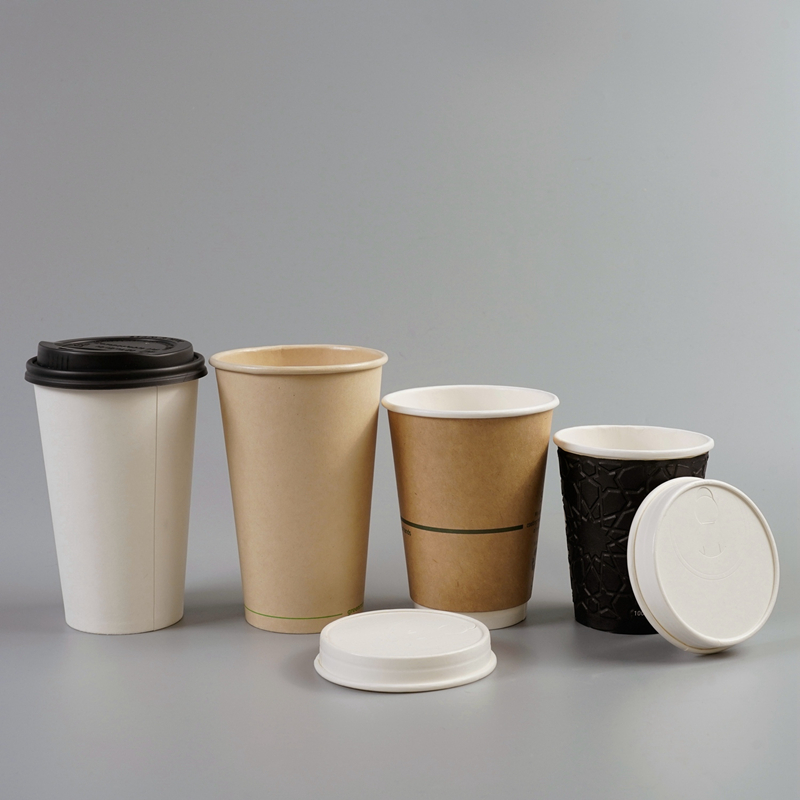
Coffee cup manufacturers are adapting to changing consumer needs and environmental challenges. The industry is seeing new materials and designs that prioritize functionality. The rise of eco-friendly coffee cups is a notable trend, as many customers seek sustainable options. Let’s dive into the latest trends and innovations in coffee cup manufacturing.
One significant change is the use of new materials. Traditional coffee cups were often made from paper or plastic. Today, manufacturers explore alternatives like biodegradable plastics and compostable materials. Many companies are also shifting towards reusable options, like ceramic and stainless steel. This shift addresses consumer demand for sustainability and better quality.
Innovations in Design and Functionality
The design of coffee cups is evolving. Insulation technologies are leading this change. Double-walled cups are now standard for keeping drinks hot without burning hands. For example, ripple cups and Kraft double wall paper cups have become popular for their thermal properties. These designs not only improve user experience but also add an aesthetic appeal.
Eco-Friendly and Sustainable Practices
Sustainability is a major focus among coffee cup manufacturers. The industry has embraced eco-friendly practices. Companies are using water-based coatings, which are safer for the environment. They are also recycling paper scraps collected during manufacturing. This change not only reduces waste but also promotes a circular economy.
Recent studies show that consumers prefer coffee cups made from sustainable materials. According to a survey, 68% of customers say they look for eco-friendly packaging when making purchasing decisions. This preference pressures manufacturers to innovate further and adopt environmentally-friendly practices.
Regulatory Impacts on Coffee Cup Materials
Regulations are shaping the coffee cup manufacturing landscape. Many places are banning single-use plastics, urging companies to find alternatives. Compliance with standards like ASTM D6400 for compostability has become necessary. Manufacturers must stay informed to meet these guidelines. This regulatory environment pushes manufacturers to seek effective and compliant material solutions.
Consumer Preferences: Disposable vs. Reusable Cups
Consumer behavior is shifting toward a mix of disposable and reusable cups. While environmentally-conscious customers favor reusable options, they still appreciate the convenience of disposable cups. According to market research, the paper cup market is projected to reach $12 billion by 2030, growing at a CAGR of 5.5%. This shows that businesses will need to balance between disposable and reusable cup offerings.
A notable trend involves customers wanting customizable options for both disposable and reusable cups. They seek unique designs and branding to enhance their experience. Many manufacturers offer custom printing services, allowing businesses to showcase their brands effectively. This adds value and strengthens customer loyalty.
Case Studies of Manufacturers Leading Sustainable Practices
Certain manufacturers stand out for their commitment to sustainability. For example, EcoQuality Corporation, founded in 2017, specializes in eco-friendly products. They focus on producing compostable coffee cups and other packaging. Their efforts help reduce waste and promote a greener environment.
Dart Container Corporation, established in 1937, also sets a standard in the industry by emphasizing sustainability. They use renewable energy and sustainable sourcing in their manufacturing processes. Such initiatives not only meet consumer demand but position these companies as leaders in sustainable coffee cup production.
Another notable mention is Georgia-Pacific, founded in 1927. Known for its Dixie cups, the company integrates eco-friendly materials and innovative manufacturing processes. These practices allow them to offer a variety of high-quality products while maintaining environmental responsibility.
Future Projections for the Coffee Cup Market
Looking ahead, the coffee cup market will likely continue to grow, driven by environmental concerns. The push for eco-friendly products will lead to more innovations. Consumers are more aware of their choices. They will increasingly demand sustainable options, influencing coffee cup manufacturers to adapt and innovate.
Additionally, advances in technology will improve production efficiency. Innovations in automated manufacturing and AI-driven design tools will help manufacturers respond quicker to market trends. As a result, we may see more customizable and eco-friendly products entering the market.
In this evolving industry, understanding these trends helps businesses make informed decisions. Knowledge of materials, design innovations, and consumer preferences is vital. By staying ahead of the curve, coffee cup manufacturers can ensure they meet the needs of a rapidly changing market.
This version of the blog includes the specified images right below their respective headings and incorporates tables to visualize critical data throughout the content.
FAQs about Coffee Cup Manufacturers
Q: What are the leading coffee cup manufacturers in the USA?
A: The leading coffee cup manufacturers in the USA include International Paper Company, Dart Container Corporation, Georgia-Pacific, Pactiv Corporation, and EcoQuality Corporation.
Q: How do I choose the right coffee cup manufacturer for my business?
A: To choose the right coffee cup manufacturer for your business, assess the type of cups you need and compare their reputations, pricing, and customization options.
Q: What factors should I consider when selecting a coffee cup manufacturer?
A: When selecting a coffee cup manufacturer, consider the types of materials used, quality standards, minimum order quantities, pricing structures, and sustainability practices.
Q: What trends are currently shaping the coffee cup manufacturing industry?
A: Current trends in the coffee cup manufacturing industry include a focus on eco-friendly materials, innovations in design like insulation technologies, and the balance between disposable and reusable options.
Q: How important are customization options in coffee cup manufacturing?
A: Customization options are crucial in coffee cup manufacturing as they allow businesses to enhance brand visibility and cater to specific consumer preferences.
In this blog post, we explored the top coffee cup manufacturers in the USA. We looked at key players, their products, and the market trends shaping the industry. Choosing the right manufacturer is vital for your needs. Consider factors like customization, pricing, and sustainability. With the rise of eco-friendly options, it’s more important than ever to stay informed. I hope these insights help you make better decisions for your business. Remember, the right coffee cup can enhance customer experience.