
What Are Compostable Cups and How Do They Work?
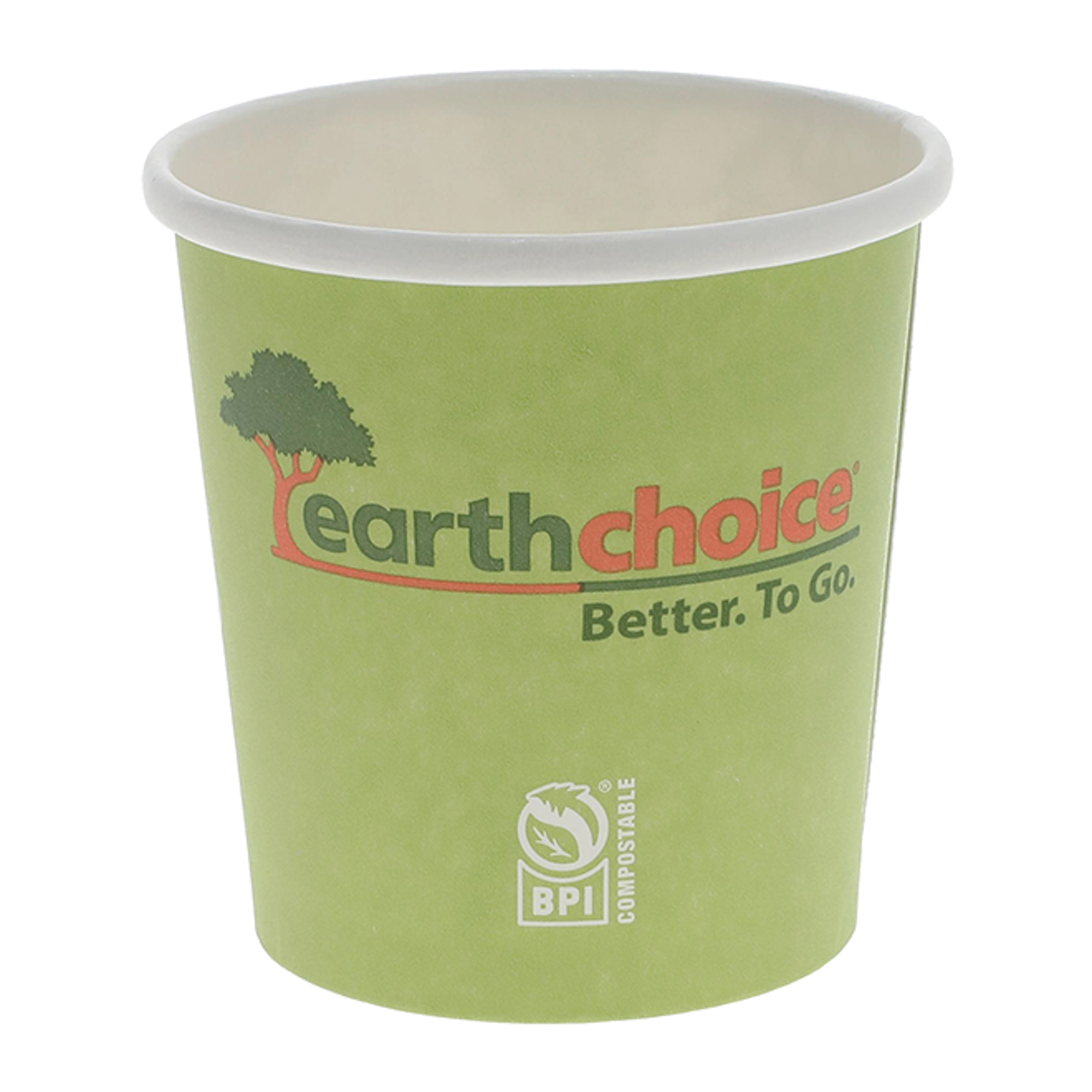
Compostable cups are an eco-friendly alternative to traditional disposable cups. They are designed to break down in a composting environment, returning their nutrients to the soil. This process is beneficial for the planet as it reduces waste and supports healthy ecosystems.
Compostable cups are often made from materials like upcycled sugarcane bagasse and cornstarch. These plant-based substances ensure that the cups are both renewable and sustainable. Unlike plastic cups, which can take hundreds of years to degrade, compostable cups can decompose in a matter of weeks when disposed of properly.
What Materials Are Compostable Cups Made From?

The materials used in compostable cups are critical to their effectiveness. Here are some common components:
- Sugarcane Bagasse: A byproduct of sugar production, this material is strong and sustainable.
- Cornstarch: A biodegradable polymer often used as a lining.
- Bamboo Fiber: Renewable and compostable, bamboo is a fast-growing plant.
- Unbleached Paper: Made from sustainably sourced trees, which are often FSC certified.
These materials make compostable cups safe for hot and cold beverages. For instance, cups designed for hot drinks can withstand temperatures up to 200°F without becoming soggy.
How Do Compostable Cups Break Down in the Environment?
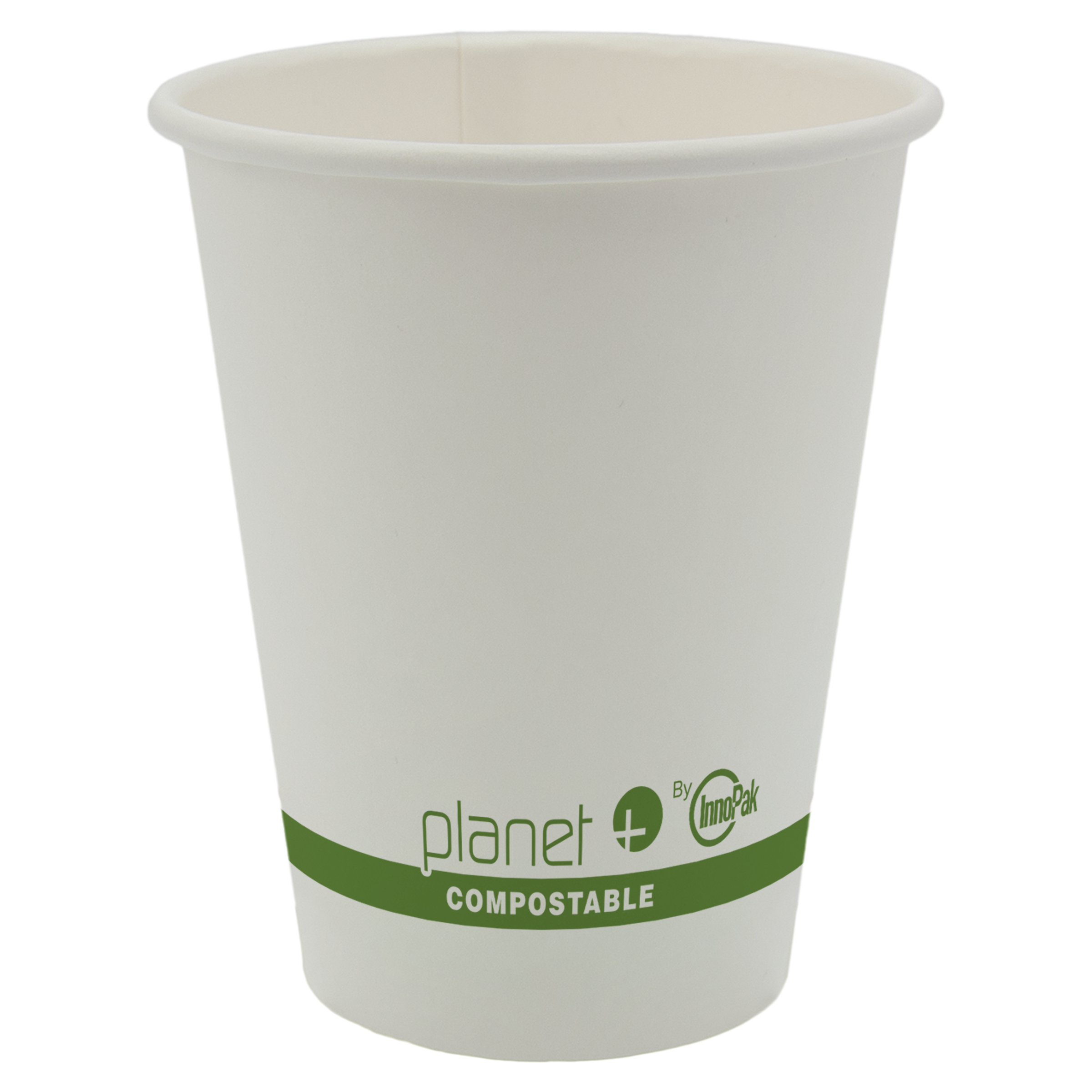
Compostable cups break down through a process called biodegradation. When disposed of in a compost environment, specific conditions help decompose the material. Microorganisms, moisture, and heat work together to break down the cups into carbon dioxide, water, and organic matter.
In commercial composting facilities, compostable cups can fully decompose within 90 days. This quick breakdown enriches the soil, making it healthier for plants. In contrast, traditional plastic cups may sit in landfills for hundreds of years, contributing to pollution and waste.
What Certifications Ensure the Compostability of Cups?
To reinforce the claims of being eco-friendly, compostable cups come with certifications. Here are some key certifying agencies:
- Biodegradable Products Institute (BPI): BPI certifies products that meet strict standards for compostability.
- ASTM D6400: A set of guidelines ensuring products break down in composting conditions.
- EN13432: A European standard for compostable materials.
These certifications give consumers the confidence that they are choosing products that genuinely contribute to sustainability. Brands that participate in these programs enhance their credibility while promoting their green initiatives.
What Is the Difference Between Compostable Cups and Traditional Disposable Cups?
| Feature | Compostable Cups | Traditional Disposable Cups |
|---|---|---|
| Material | Plant-based | Petrochemical plastics |
| Decomposition Time | Weeks (in compost) | Hundreds of years |
| Environmental Impact | Minimal | Significant |
| Health Safety | BPA-free | May contain harmful substances |
The differences between compostable cups and traditional disposable cups are significant. Traditional cups, made from plastics or polystyrene, are non-biodegradable. They occupy landfill space for decades and can harm wildlife if not disposed of properly.
By choosing compostable cups, consumers contribute to a sustainable future and minimize their environmental footprint.
How Do Compostable Cups Contribute to a Circular Economy?
Compostable cups support a circular economy by keeping materials in use for as long as possible. The production process for these cups often relies on upcycled materials. For example, sugarcane bagasse is collected from sugar mills, transforming waste into a valuable product.
After use, compostable cups return nutrients to the earth, creating a cycle that eliminates waste and promotes resource efficiency. In essence, using compostable cups helps close the loop in the economy, making it more sustainable.
What Is the Significance of ASTM D6400 Standard in Compostable Products?
ASTM D6400 is an essential standard for ensuring the integrity of compostable products. It sets criteria for how materials should break down in industrial composting facilities. Products passing this standard must:
- Decompose in a specified time frame.
- Leave no harmful residues in the soil.
- Be non-toxic to various organisms in the environment.
Certification under ASTM D6400 is a key indicator of a product's compostability. This can greatly influence consumer choices, as shoppers increasingly prefer brands committed to sustainability.
In conclusion, compostable cups are beneficial products that satisfy growing concerns over environmental impact. They help reduce waste, enhance soil health, and promote sustainable practices among businesses and consumers alike. By opting for compostable options, we support positive changes for the planet.
What Are the Environmental Benefits of Using Compostable Cups?

Compostable cups provide numerous environmental benefits, making them an excellent choice for eco-conscious individuals and businesses. These sustainable cups not only reduce landfill waste but also help to create a healthier planet. Let’s dive into the many ways these cups are beneficial.
How do compostable cups reduce landfill waste?
Compostable cups decompose much faster than traditional plastic or polystyrene cups. In fact, they can break down within weeks in a commercial composting facility. This rapid decomposition process helps reduce the volume of waste that ends up in landfills. It is estimated that nearly 30% of landfill waste is made up of single-use items, including cups. By choosing compostable cups, we can significantly decrease this issue.
Each compostable cup disintegrates into nutrient-rich compost, which can be reintroduced to the soil. As an example, the average American uses about 300 disposable cups each year. If even half of those were compostable, we could eliminate 45 billion single-use cups from entering landfills annually.
What impact do compostable cups have on carbon footprints?
The production and disposal of traditional cups lead to significant carbon emissions. Compostable cups, made from renewable resources such as corn starch and sugarcane, have a much smaller carbon footprint. Studies show that using compostable cups can reduce greenhouse gas emissions by up to 50% compared to their plastic counterparts. That is a big difference that adds up over time.
Furthermore, the compost process itself can enhance carbon sequestration, meaning it pulls carbon from the atmosphere and stores it in the ground. Over time, this process can effectively mitigate climate change impacts.
In what ways do compostable cups support soil health?
Once compostable cups decompose, they return valuable nutrients to the soil. This enhances soil health, promoting the growth of crops and plants. Research indicates that compost can improve soil structure, moisture retention, and even suppression of plant diseases. By using compostable cups, consumers are contributing to a system that fosters agricultural sustainability.
In green initiatives, some companies have been known to use the resulting compost from their waste streams to nourish community gardens, thus providing an additional community benefit.
How can the use of compostable cups enhance a business’s sustainability ratings?
Using compostable cups can significantly boost a business’s sustainability ratings. In today’s market, 73% of consumers prefer to buy from brands that show environmental responsibility. Offering compostable options aligns with these consumer preferences.
Moreover, certifications and labels, such as B Corp or Fair Trade, can further enhance brand credibility. When businesses switch to compostable cups, they can promote their eco-friendly practices, potentially attracting more customers who prioritize sustainability.
What are the consumer preferences towards sustainable packaging alternatives?
Surveys reveal that many consumers are increasingly looking for sustainable packaging. A remarkable 65% of consumers expect brands to share their sustainability journey. Purchases made from eco-friendly options have seen a significant rise.
More specifically, eco-friendly disposable cups offer a way for customers to enjoy their favorite beverages while being conscious of their environmental impact. This change in consumer behavior highlights the growing demand for sustainable products.
How does compostable cup usage align with recent trends in sustainability?
As people become more aware of climate change and environmental degradation, the movement toward sustainability continues to grow. The interest in compostable cups is a testament to this shift. Whether it’s for everyday use or special events like weddings, many consumers now seek products that align with sustainable practices.
Increased visibility of sustainability in social media campaigns and environmental movements also plays a big role. People want to support brands that share their values, making compostable cups a popular choice.
What studies support the economic benefits of using sustainable products?
The economic benefits of using sustainable products have been highlighted in several studies. One telling study conducted by the Global Sustainability Institute in 2022 found that 78% of businesses saw increased profit margins after adopting sustainability initiatives. Also, transitioning to renewable energy sources can lead to cost reductions of up to 30% over three years.
Utilizing compostable cups correlates with a 20% increase in customer retention rates, as per data from EcoPack Solutions. This means that not only do sustainable practices benefit the environment, but they make economic sense for businesses too!
In conclusion, compostable cups are more than just a fad—they represent an essential shift in how we think about waste and sustainability. By reducing landfill waste, enhancing soil health, and providing economic advantages for businesses, these cups are paving the way for a greener future. Embracing compostable cups is a significant step I hope everyone considers for a healthier planet.
Where Can You Purchase Compostable Cups and How Do You Choose the Right Type?
When it comes to compostable cups, you can find various options tailored to different needs. The types of available compostable cups go beyond generic single-use cups. Here is a quick guide:
Types of Compostable Cups:
- Hot Cups: Typically made from plant materials like sugarcane bagasse and cornstarch. Sizes often include:
- 8 oz (great for espresso)
- 12 oz (with or without lids)
- 16 oz (for larger servings)
- 20 oz (extra-large, often for coffee)
These cups can withstand temperatures of up to 200°F, making them perfect for hot drinks.
- Cold Cups: These lightweight and toxin-free cups are made entirely from plant-based materials. Common sizes are:
- 12 oz
- 16 oz
These cups are great for beverages like iced teas or cold coffees.
Finding compostable cups for special events, such as weddings, is also straightforward. Many online platforms like Amazon or specific eco-friendly catering suppliers offer decorative options suitable for such occasions. Some brands even offer color palettes or designs that fit specific event themes. For your wedding, you may want to choose products that match your color scheme and are fully customizable.
When searching for trustworthy brands for compostable cups, it is vital to verify their certifications. Look for seals from credible organizations, such as the Biodegradable Products Institute (BPI) or certifications confirming compliance with the ASTM D6400 standard. Brands that are transparent about their sourcing and sustainability practices are often more reliable.
Factors for Selecting Compostable Cups:
| Factor | Considerations |
|---|---|
| Material Type | Ensure cups are made from plant-based sources. |
| Size | Match the cup size to the beverages you plan to serve. |
| Certification | Look for compostability certifications. |
| Design | Ensure it fits your event theme, especially for occasions. |
Understanding your needs for events is vital. If you are hosting a large party, bulk purchasing could save you money. Many retailers offer packs of compostable cups designed for businesses or events. Check for options like 320 cups in environmentally-friendly packaging. Buying in bulk not only cuts costs but also reduces the number of shipments, which is better for the environment.
Popular places to buy compostable cups include:
- Online Stores: Amazon and specialized eco-friendly websites are great. They often have extensive collections. You can find specific brands, colors, and sizes easily.
- Local Shops: Many grocery stores and health food markets are stocking compostable products. Look for organic or sustainable sections.
- Catering Suppliers: These often provide large-order options and special event packages.
For price comparison, always check the per-item cost. Sometimes it may seem cheaper to buy traditional disposable cups, but keep other factors in mind. Compostable cups often break even with conventional products after considering their environmental benefits. Many businesses note a positive impact on their sustainability ratings when they switch to compostable products. A study from the Global Sustainability Institute in 2022 proved that 78% of businesses saw increased profit margins after adopting these practices.
Price Comparison:
| Product Type | Average Cost per Unit | Environmental Benefits |
|---|---|---|
| Traditional Plastic Cups | $0.02 – $0.05 | Contributes to landfill waste |
| Compostable Hot Cups | $0.10 – $0.20 | Decomposes in compost within weeks |
| Compostable Cold Cups | $0.08 – $0.15 | Reduces carbon footprint; eco-friendly |
The cost differences might seem significant at first glance, but consider the long-term savings on disposal and the benefits to your brand. With the help of compostable cups, you play a role in reducing plastic waste and attracting eco-conscious consumers. Being part of the solution not only boosts your business’s sustainability ratings but also enhances your appeal in a highly competitive market. By selecting compostable options, you can align with the growing consumer demand for environmental responsibility while contributing to a circular economy.
FAQs about Compostable Cups
What are compostable cups and how do they work?
Compostable cups are eco-friendly alternatives designed to decompose in a composting environment, reducing waste and enriching the soil.
What materials are compostable cups made from?
Compostable cups are typically made from materials like sugarcane bagasse, cornstarch, bamboo fiber, and unbleached paper, ensuring they are both renewable and sustainable.
How do compostable cups break down in the environment?
Compostable cups undergo biodegradation, breaking down into carbon dioxide, water, and organic matter within weeks in a commercial composting facility.
What certifications ensure the compostability of cups?
Certifications like Biodegradable Products Institute (BPI), ASTM D6400, and EN13432 verify that compostable cups meet specific standards for compostability.
How do compostable cups contribute to a circular economy?
Compostable cups support a circular economy by utilizing upcycled materials and returning nutrients to the soil after decomposition, thereby promoting resource efficiency and sustainability.
In this article, we explored compostable cups, their materials, and how they break down. We learned about their environmental benefits, including waste reduction and supporting soil health. We also looked at where to buy them and how to choose the right type for your needs.
In my view, using compostable cups is a smart choice. They are better for our Earth and help businesses look good. Make the switch to compostable cups and join the eco-friendly movement today!