
What Are Compostable Wine Glasses and How Do They Work?
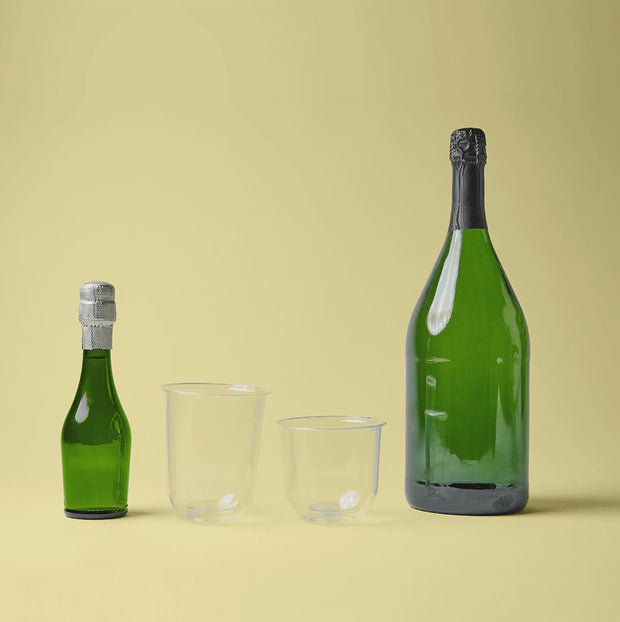
Compostable wine glasses are a smart choice for anyone who loves wine and cares for the planet. These glasses are designed to break down naturally, unlike plastic or glass options that can take hundreds of years to decompose. You may wonder what they are made of and how they differ from regular glasses.
What materials are used to make compostable wine glasses?
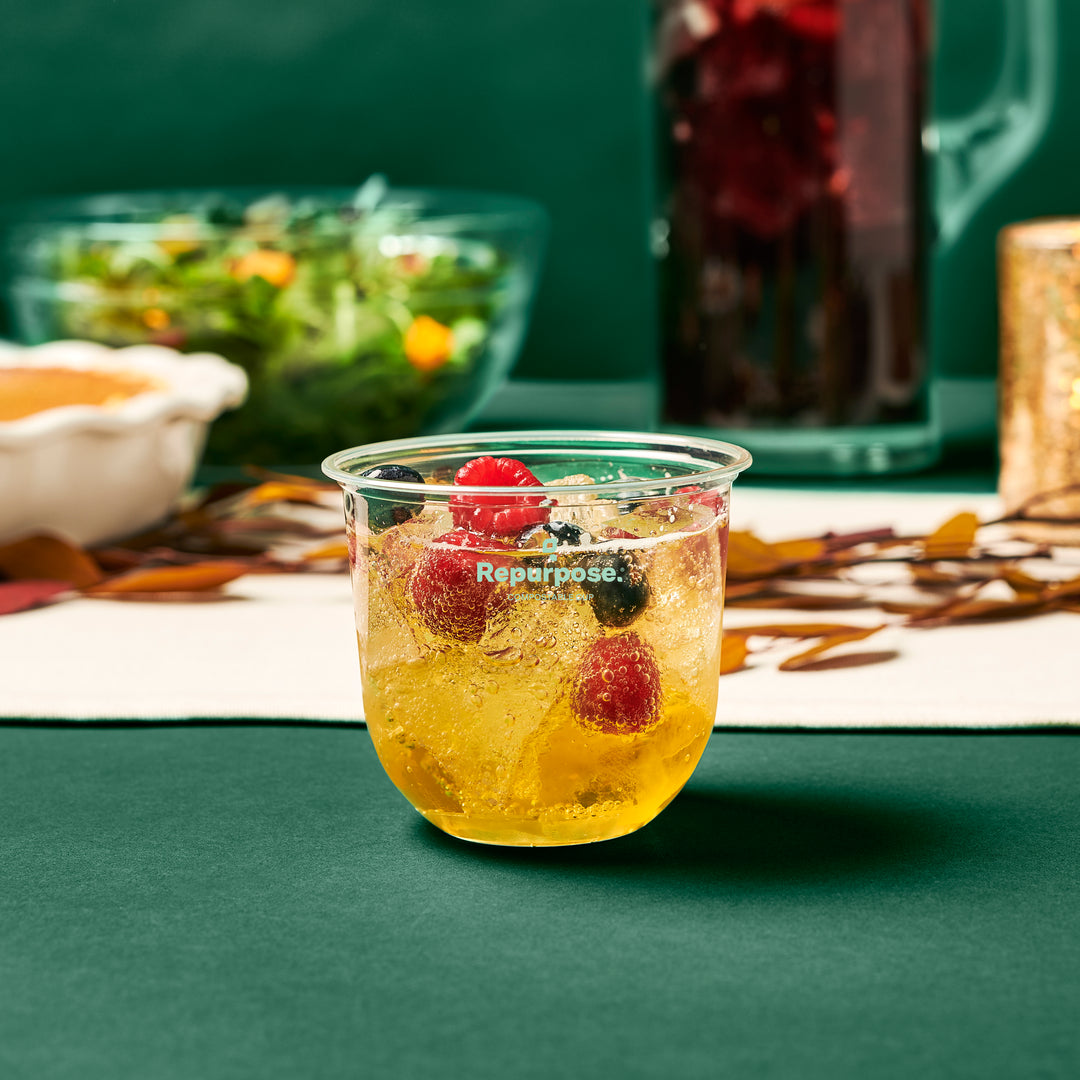
Most compostable wine glasses are made from materials like polylactic acid (PLA), which is derived from renewable resources such as corn, sugarcane, or cassava. These plant-based materials create a sustainable product that does not contribute to plastic pollution. Some brands might blend PLA with other biodegradable substances to enhance the glass's functionality while maintaining its compostable nature.
How are compostable wine glasses different from traditional plastic and glass wine glasses?

Traditional plastic glasses are made from petroleum-based plastics, which can stay in the environment for up to 400 years. Glass wine glasses, while recyclable, can still contribute to environmental issues if not handled properly. Compostable wine glasses break down within 90 to 180 days in a composting environment, significantly reducing landfill waste. This difference makes them an eco-friendly alternative.
What certifications do compostable wine glasses carry, and what do they mean?
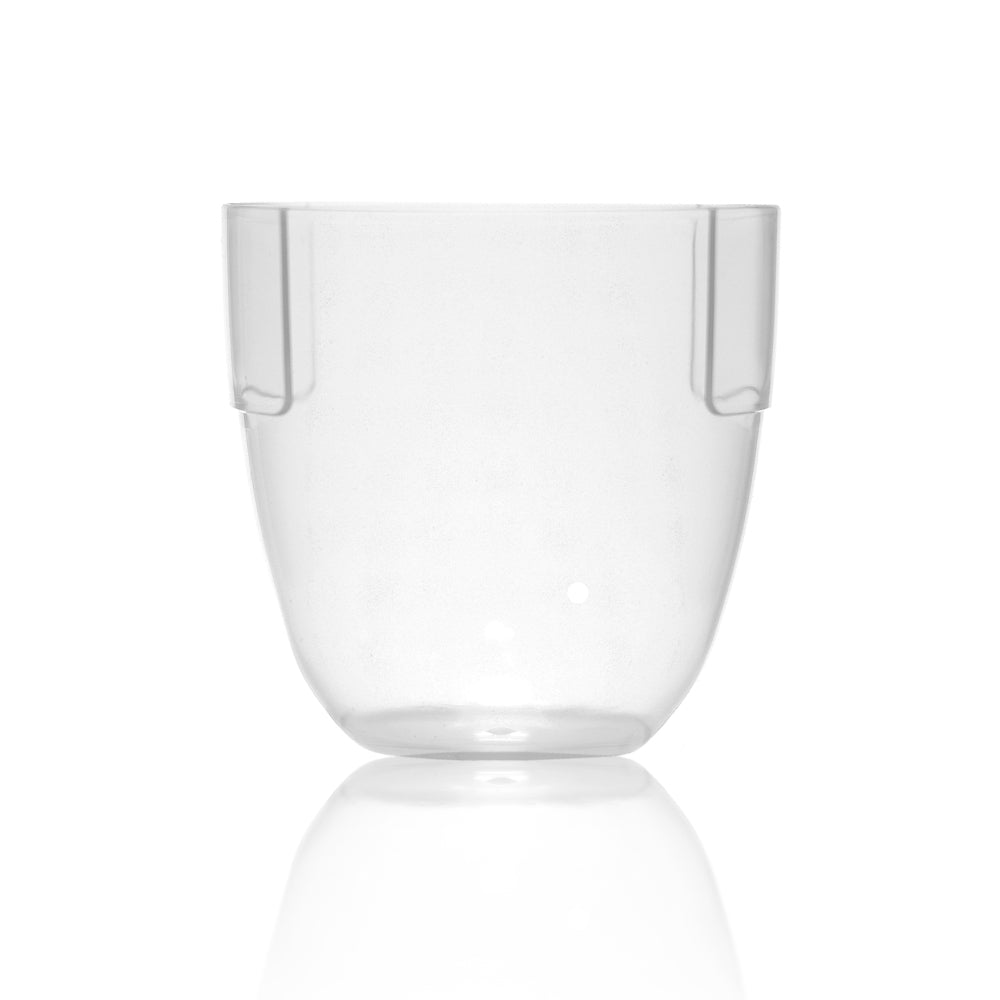
Compostable wine glasses often carry certifications, such as ASTM D6400 or BPI (Biodegradable Products Institute). These certifications indicate that the product meets specific standards for compostability. For instance, ASTM D6400 ensures that the materials biodegrade in industrial composting conditions, while BPI certification assures consumers that the product is genuinely compostable and meets the highest environmental standards.
How quickly do compostable wine glasses break down in landfill and compost environments?
When composted correctly, these wine glasses can decompose within 90 to 180 days. However, in a landfill setting, their breakdown can take much longer, ranging from 100 to 1000 years. This is because landfills create a low-oxygen environment, slowing down the decomposition process. Proper composting practices are essential for achieving the fast breakdown rates that these glasses are designed for.
Are compostable wine glasses safe for food and beverage contact?
Yes, compostable wine glasses are generally safe for food and beverage contact. They are made from FDA-approved materials, which means they do not contain harmful chemicals that could leach into drinks. You can confidently serve wine, cocktails, or any other beverages in these glasses without worrying about safety.
What are the temperature limits for compostable wine glasses?
Most compostable wine glasses can withstand temperatures up to 120°F. This makes them suitable for serving cold beverages and some warm drinks. However, they are not microwave or dishwasher safe, so it is essential to use them according to the manufacturer's guidelines to maintain their integrity.
How do the production processes of compostable wine glasses compare to traditional options?
The production of compostable wine glasses involves extracting materials from renewable sources, which is more sustainable compared to the petroleum extraction needed for plastic glasses. For instance, producing 100 biodegradable PLA glasses emits only 450 grams of CO2, while manufacturing polycarbonate plastic glasses can release up to 43.5 kilograms of CO2. As a result, the impact on greenhouse gas emissions is significantly lower when choosing compostable options.
Interesting Statistics on Compostable Wine Glasses
- Decay Rate: Compostable glasses break down into natural components within 90-180 days under appropriate conditions.
- CO2 Emissions: Producing biodegradable glasses emits 450g of CO2, significantly lower than plastic.
- Safety: Made with FDA-approved materials ensures safety for food contact.
By choosing compostable wine glasses, you're actively promoting a cleaner environment. This sustainable drinking option aligns well with modern values and consumer preferences. The increasing expectation for eco-friendly products has made compostable glasses a popular choice for events.
In summary, compostable wine glasses are not just eco-conscious but also practical and stylish, enabling you to enjoy your favorite drinks while ensuring you’re doing your part for our planet. As trends evolve, these glasses are paving the way for a greener future.
Why Choose Compostable Wine Glasses?
Compostable wine glasses are a better choice for many reasons. They offer several benefits over traditional plastic options. These eco-friendly wine glasses help the environment in various ways. They are made from plant-based materials, making them biodegradable. When disposed of correctly, they can break down into natural components. This process is much quicker than the 400 years it takes for regular plastic to decompose.
Using compostable wine glasses significantly reduces waste in landfills. In the UK alone, there are over 100 million plastic cup disposals at festivals each year. If everyone switched to compostable alternatives, the impact would be incredible. For instance, it is estimated that using polylactic acid (PLA) glasses can reduce landfill waste by over 40%. This is a step towards cleaner environments and a more sustainable future.
When we consider carbon emissions, switching to compostable options matters. The production of 100 biodegradable PLA glasses emits only 450 grams of CO2. In comparison, plastic polycarbonate glasses produce a whopping 43.5 kilograms. Choosing compostable wine glasses can thus lead to a significant reduction in greenhouse gases. In fact, a study showed that shifting from traditional plastics to PLA could lower emissions in the U.S. by 25%. This is huge for our planet’s health.
Safety is another aspect to consider. Compostable wine glasses are made from non-toxic materials. They are FDA-approved for food contact, ensuring that they are safe to use. This gives everyone peace of mind at events. Not only do they look good, but you can feel good about using them.
| Benefit | Compostable Wine Glasses | Traditional Plastic Glasses |
|---|---|---|
| Biodegradability | Yes | No |
| Carbon Emissions | 450g for 100 glasses | 43.5kg for 100 glasses |
| Safety | FDA-approved | Potentially harmful |
| Breakdown Time in Compost | 90-180 days | 400 years |
Communities play a vital role in supporting composting infrastructure. With more compost collection routes now available, proper disposal is more achievable. Many cities are now encouraging residents to compost, making it easier to toss used compostable wine glasses into the right bin. This small action leads to massive changes in waste management and environmental conservation.
Cost is often a concern when making sustainable choices. However, compostable wine glasses can be cost-effective, especially for events. Purchasing them in bulk can lower the overall price, making them an excellent option for weddings, parties, and large gatherings. For example, buying a case of 1000 compostable glasses could be more economical than purchasing single-use plastic cups repeatedly. In 2023, about 72% of event planners reported a growing demand for sustainable products, indicating a shift towards eco-friendly options in planning budgets.
Compostable wine glasses shine in specific scenarios. They are ideal for weddings, corporate events, and outdoor festivals. Their elegant design adds a touch of class to any gathering. You can find biodegradable wine glasses holding up to 12 ounces of liquid, perfect for a good pour of wine or cocktails. For example, a 9 oz low ball tumbler is available in cases of 108, making it practical for high-volume events.
Moreover, they are not only stylish but can withstand temperatures up to 120°F (about 49°C). This feature is perfect for outdoor gatherings in warm weather. Designed for durability and functionality, these glasses enhance the overall experience while minimizing environmental impact. You also get to align your celebrations with eco-friendly values, which attracts conscious consumers looking for sustainable choices.
Here’s a quick overview of some handy facts:
| Feature | Details |
|---|---|
| Breakdown Time | 90-180 days in composting conditions |
| Temperature Tolerance | Up to 120°F (49°C) |
| Carbon Emissions | 450g for 100 glasses, compared to 43.5kg for plastic |
| Safety | FDA-approved for food contact |
| Ideal Usage | Weddings, corporate events, and outdoor parties |
| Cost Efficiency | Bulk pricing can reduce overall costs |
The switch to compostable wine glasses is not just a trend; it is an essential part of building a sustainable future. With health benefits, waste reduction, community support, and affordability, these glasses are ready for any celebration. Embrace the change and join the eco-friendly movement.
Where to Buy Compostable Wine Glasses and Product Comparisons
When choosing compostable wine glasses, it’s important to know the best brands and where to find them. The most popular manufacturers include brands like Eco-Products, World Centric, and BioGreenChoice. These companies focus on eco-friendly materials and sustainable practices while producing high-quality products. Trust these brands to deliver durable and stylish options for your events.
Finding Affordable Eco-Friendly Wine Glasses
Many consumers wonder where they can find affordable compostable wine glasses. Major online retailers like Amazon, Walmart, and specialty eco-friendly shops offer competitive pricing. You can often find deals for bulk purchases, which can save you money for events. Look for sales or special offers on websites like Boxed or Bulk Apothecary, where they regularly offer discounts on sustainable products. Local stores, especially those focused on eco-friendly products, also provide an excellent option to explore.
Comparing Different Models and Brands
When comparing different compostable wine glasses, durability and aesthetics are crucial factors. Here’s a breakdown of some popular choices:
| Brand | Material | Capacity | Durability | Aesthetics | Composting Time |
|---|---|---|---|---|---|
| Eco-Products | PLA (Corn Starch) | 12 oz | High | Elegant clear look | 90-180 days |
| World Centric | PLA (Sugarcane) | 10 oz | Medium | Modern design | 90-180 days |
| BioGreenChoice | PLA (Corn Starch) | 8 oz | High | Sleek appearance | 90-180 days |
| Green Goodies | Blended Bioplastics | 12 oz | High | Stylish appearance | 90 days |
As shown in the table, Eco-Products glasses offer solid durability and a sophisticated look. However, World Centric offers a modern vibe and is still durable enough for most events. If you want a sleek option, BioGreenChoice may suit your taste very well.
Common Bundle Options for Bulk Purchases
Purchasing compostable wine glasses in bulk can be cost-effective. Most companies offer options in quantities ranging from 100 to 1,000 glasses. Buying in larger packs often reduces the overall cost per glass. For example:
| Pack Size | Ideal Use Cases |
|---|---|
| 100 Pack | Small gatherings or intimate parties |
| 500 Pack | Family reunions, birthdays, or small weddings |
| 1000 Pack | Large events like festivals, corporate celebrations, or big weddings |
All these options provide an easy way to prepare for events while remaining eco-conscious.
Recommended Retailers
For buying compostable wine glasses, here are some recommendations for eco-friendly online retailers and local stores:
-
Online Retailers:
- Eco-Products: Known for a wide variety of sustainable products.
- World Centric: Offers a range of biodegradable products, including wine glasses.
- Biodegradables: Specializes in eco-friendly drinkware and disposable products.
-
Local Stores:
- Health Food Stores: Often carry sustainable options.
- Specialty Eco-Stores: Check your local area for shops that focus on environmentally-friendly goods.
Authenticity Verification
Shopping for compostable wine glasses requires awareness of authenticity. Here are tips for ensuring you buy quality products:
- Look for certifications such as BPI (Biodegradable Products Institute) and ASTM D6400, which ensure that products meet compostability standards.
- Check for clear labeling on packaging that mentions biodegradability and compostability.
- Research brands and read reviews to confirm their commitment to sustainability.
Future Trends in Compostable Drinkware
The market for sustainable products is growing. Here are a few trends shaping the future of compostable wine glasses:
- Innovative Materials: New materials like mushroom mycelium and seaweed are being explored for creating compostable options.
- Increased Demand: A recent survey showed that 72% of event planners look for sustainable options, indicating growing market interest.
- Composting Infrastructure: More cities are implementing composting programs, making disposal easier for consumers.
Post-2023, we can expect more options and lower prices as competition in the market increases. The future of compostable drinkware looks bright, making our events more sustainable. Choosing eco-friendly wine glasses allows you to celebrate responsibly while caring for the planet.
FAQs about Compostable Wine Glasses
What are compostable wine glasses and how do they work?
Compostable wine glasses are eco-friendly drinkware that breaks down naturally within 90 to 180 days in composting environments, unlike traditional plastic or glass options.
What materials are used to make compostable wine glasses?
Compostable wine glasses are primarily made from plant-based materials, like polylactic acid (PLA) derived from renewable resources such as corn, sugarcane, or cassava.
How quickly do compostable wine glasses break down in landfill and compost environments?
Compostable wine glasses decompose within 90 to 180 days in ideal composting conditions, but in landfills, their breakdown can take significantly longer, ranging from 100 to 1000 years.
Are compostable wine glasses safe for food and beverage contact?
Yes, compostable wine glasses are safe for food and beverage contact as they are made from FDA-approved materials that do not leach harmful chemicals.
How do the production processes of compostable wine glasses compare to traditional options?
The production processes of compostable wine glasses emit significantly less CO2, only 450 grams for 100 glasses, compared to 43.5 kilograms emitted from manufacturing plastic polycarbonate glasses.
In summary, compostable wine glasses offer a smart choice for eco-friendly drinking. They break down easily, reducing waste and pollution. Switching to these glasses helps our planet and supports healthy choices. You can find different brands and types that are both affordable and appealing. As you shop, look for certifications to ensure quality. Making this small change can lead to a big impact. Embrace compostable options for your next event and enjoy wine guilt-free!