
What Are the Different Types of Disposable Cups?
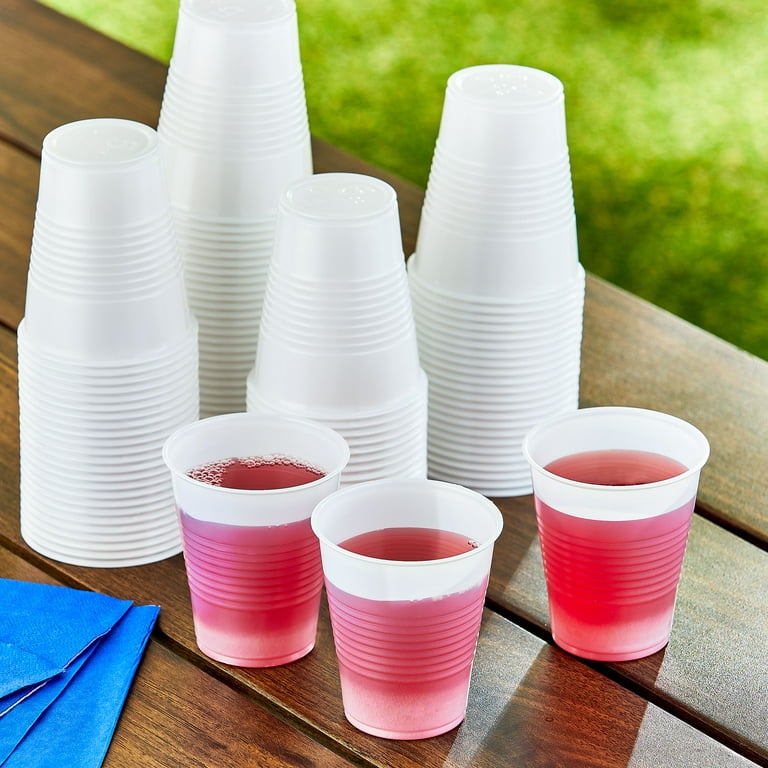
Disposable cups are a vital part of many businesses and events. They come in many shapes, sizes, and materials. Understanding the options available can help you make informed choices. Let’s explore the different types of disposable cups and what makes them unique.
What Materials Are Disposable Cups Made From?
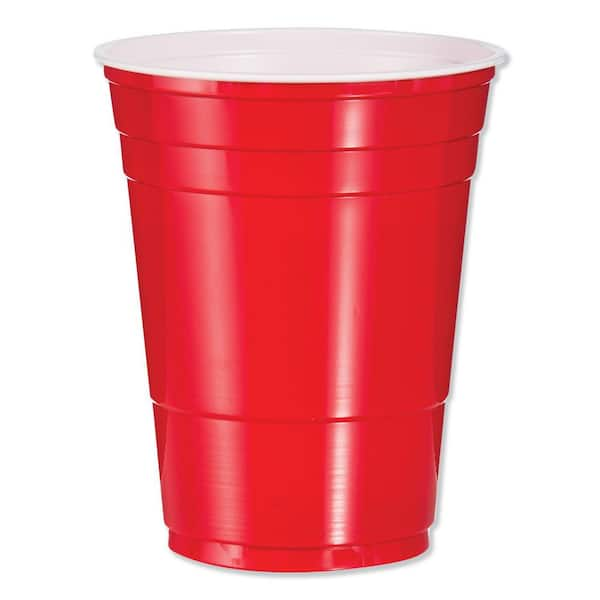
Disposable cups are made from three main materials: paper, plastic, and foam. Each type has its own benefits and drawbacks.
-
Paper Cups:
Most paper cups are made from a combination of paper and a lining. The lining is often polyethylene, which makes the cups water-resistant. However, this lining can complicate recycling. Recently, newer options include plant-based coatings. These are known as compostable paper cups and provide eco-friendly alternatives. -
Plastic Cups:
Plastic cups are mainly made from PET or polystyrene. PET cups are recyclable and best for cold beverages. On the other hand, polystyrene cups provide good insulation for both hot and cold drinks. However, many areas do not recycle polystyrene. The thickness and clarity of plastic cups can vary, affecting their look and usability. -
Foam Cups:
Foam cups, made from expanded polystyrene, are lightweight and good at insulation. They keep drinks hot or cold effectively. Sadly, they are not recyclable in most locations and contribute to landfill issues.
What Types of Disposable Cups Are Available in the Market?
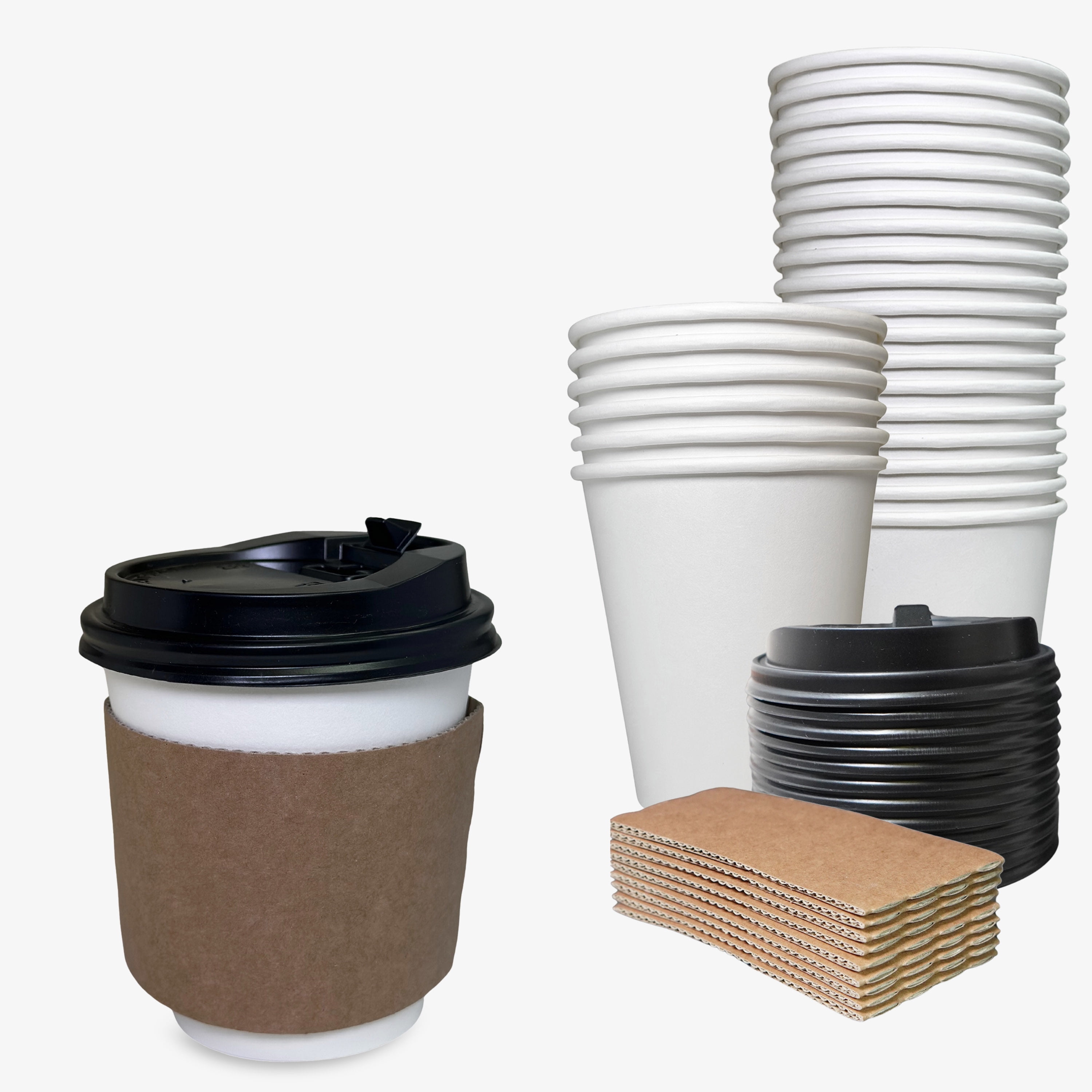
Various types of disposable cups cater to different needs. Here are some popular options:
-
Ripple Double Wall Cups:
Great for hot beverages, these cups keep drinks warm while ensuring comfort in handling. They minimize burns with their unique design. -
Kraft Cups:
Often made from recycled materials, these cups are eco-friendly and come in single or double wall designs. They can be used for both hot and cold drinks. -
Plastic Cups:
Available in translucent, clear, or colored styles, these cups are versatile. Many come with ribbed designs that help prevent spills.
- Soufflé Cups:
Also known as portion cups, these small cups are used for snacks, dips, or sauces. They are handy in any food service.
How Do Paper Disposable Cups Compare to Plastic Varieties?
| Factor | Paper Cups | Plastic Cups |
|---|---|---|
| Environmental Impact | More eco-friendly | Can be harmful |
| Usability | Good for hot drinks | Great for cold drinks |
| Cost | Slightly more expensive | Often cheaper |
When comparing paper and plastic disposable cups, several factors come into play.
-
Environmental Impact:
Paper cups are generally more eco-friendly than traditional plastic cups. While they can be made compostable, plastic cups often end up in landfills and oceans. -
Usability:
Paper cups can hold hot drinks well when designed correctly. They need to be lined, however, to hold liquids without leaking. Plastic cups are perfect for cold beverages and showcase colorful drinks well. -
Cost:
In bulk, paper cups may be slightly more expensive than some plastic options. However, customers are increasingly willing to pay extra for environmentally friendly products.
What Are the Benefits and Drawbacks of Biodegradable Cups?
Biodegradable cups are gaining popularity for their environmental benefits. Here's a deeper look at the pros and cons.
Benefits:
-
Eco-Friendly:
They break down naturally, reducing landfill contributions. -
Sustainable Materials:
Many biodegradable cups are made from renewable resources, like corn starch. This makes them an attractive option for green-minded consumers. -
Consumer Appeal:
Businesses using biodegradable cups can enhance their image. Consumers are drawn to brands that show a commitment to the environment.
Drawbacks:
-
Cost:
Biodegradable options can be pricier than traditional plastic cups. -
Limited Availability:
Not all locations offer proper composting facilities that can handle biodegradable materials.
Are There Specific Disposable Cup Types for Hot and Cold Beverages?
Yes, different disposable cups suit various temperature needs.
| Beverage Type | Recommended Cup Type |
|---|---|
| Hot Beverages | Double wall paper cups |
| Cold Beverages | PET plastic cups |
-
Hot Beverages:
Double wall paper cups are ideal for things like coffee and tea. They can handle temperatures up to 200°F. -
Cold Beverages:
PET plastic cups are perfect for cold drinks. They keep beverages chilled while offering a sleek look.
What Features Should You Look for When Selecting Disposable Cups?
When choosing disposable cups, several features can enhance your experience:
-
Insulation:
Cups with double walls or insulated designs are great for hot drinks. They help prevent burns. -
Leak Resistance:
Look for well-constructed cups that minimize spills and leaks. -
Size Variety:
Choose cups available in various sizes, like 4 oz, 8 oz, 12 oz, 16 oz, and 20 oz. This way, you can cater to different drinks and portions.
- Customizable Options:
Many suppliers offer customizable cups. You can print your logo or design, helping enhance your branding.
How Do Custom Printed Cups Enhance Branding Opportunities?
| Branding Aspect | Benefits |
|---|---|
| Branding Exposure | Constant visibility for business |
| Aesthetic Appeal | Eye-catching design increases sales |
| Customer Engagement | Fun designs encourage sharing |
Custom printed cups offer a fantastic way to boost your brand's visibility and connection with customers. Here’s how:
-
Branding Exposure:
Every time someone uses your cup, they see your brand. This constant exposure builds brand awareness. -
Aesthetic Appeal:
Colorful designs or logo placements can make your cups stand out from the competition. Eye-catching cups can attract more customers. -
Customer Engagement:
Unique or fun designs can engage customers, often leading to social media shares. Customers often enjoy showcasing attractive cups.
In today's market, understanding the various types of disposable cups and their features is essential. It ensures you select the right options for your needs while being mindful of environmental impacts. Whether you choose paper, plastic, or biodegradable, every cup has its own unique advantages.
How Are Disposable Cups Affecting the Environment?
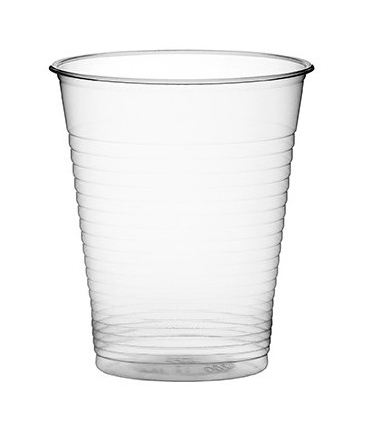
Disposable cups are everywhere. They serve our favorite hot and cold beverages with ease and convenience. However, their convenience comes with significant environmental concerns. Let's explore how disposable cups affect our environment and what alternatives and solutions exist.
What is the environmental impact of plastic disposable cups?
Plastic disposable cups, usually made from materials like PET or polystyrene, contribute greatly to environmental issues. Annually, billions of plastic cups end up in landfills, oceans, and natural habitats. In fact, some studies estimate that less than 30% of plastic is ever recycled. As these cups break down, they can take hundreds of years to degrade, releasing toxic substances into the soil and water.
These cups also contribute to carbon emissions during their production and transportation. For every ton of plastic produced, about 6 tons of CO2 are released into the atmosphere. The global disposable cup market is booming, aiming to reach $19 billion by 2025. With this growth, the challenge of managing waste increases.
How are biodegradable and compostable cups different, and what are their benefits?
Biodegradable and compostable cups are eco-friendly alternatives to conventional plastic cups. The main difference is how they break down. Biodegradable materials decompose over time, but this can take years. Compostable cups, usually made from materials like cornstarch or PLA (polylactic acid), break down quickly under specific conditions, typically within 90 to 180 days in a composting environment.
Benefits of these eco-friendly options include:
- Reduced landfill waste
- Lower carbon footprint
- Improved soil health through composting
Compostable cups are typically lined with plant-based materials instead of traditional plastic. This makes them both functional and environmentally friendly.
Are there recycling programs available for disposable cups?
Recycling programs for disposable cups are limited but growing. Many paper cups, often lined with polyethylene, face challenges due to their mixed materials. Some recycling facilities do accept these cups, but it's vital to check local recycling guidelines.
Recently, initiatives like "Cupcycling" have emerged. This program encourages businesses and consumers to return used cups for recycling. However, participation can vary from region to region. Always look for Cup Recycling programs in your area to help reduce waste.
What certifications should you look for when choosing eco-friendly disposable options?
| Certification | Purpose |
|---|---|
| FSC (Forest Stewardship Council) | Ensures paper comes from responsibly managed forests |
| BPI (Biodegradable Products Institute) | Certifies compostability in industrial facilities |
| ASTM D6400 | Sets criteria for compostable plastics |
When selecting eco-friendly disposable cups, look for certifications that ensure sustainability. Some key certifications include:
- FSC (Forest Stewardship Council): This label ensures that paper comes from responsibly managed forests.
- BPI (Biodegradable Products Institute): This certifies that products are compostable in industrial facilities.
- ASTM D6400: This standard sets criteria for compostable plastics.
These certifications guarantee that the products meet strict environmental standards, giving peace of mind to consumers.
How does the manufacturing process of disposable cups affect sustainability?
The manufacturing process greatly impacts the sustainability of disposable cups. Production often involves significant energy and resource use. For instance, the production of plastic cups leads to high carbon emissions. Conversely, cups made from recycled materials reduce environmental impact since they require less energy to make.
Biodegradable cups have another edge. Their raw materials, like cornstarch, are renewable. This reduces reliance on fossil fuels. However, it's crucial that these materials are sourced sustainably, or the benefits could diminish.
What role do consumers play in reducing disposable cup waste?
Consumers hold significant power in reducing disposable cup waste. Simple actions can make a huge difference:
- Choosing reusable cups when possible
- Opting for eco-friendly disposable cups
- Participating in recycling programs
Awareness and education about waste management can drive sustainability. As consumers demand greener options, businesses are more likely to invest in eco-friendly practices.
How can businesses adopt sustainable practices in their use of disposable cups?
| Business Practice | Description |
|---|---|
| Offer compostable options | Providing eco-friendly cup choices |
| Implement recycling programs | Encouraging cup returns for recycling |
| Invest in education | Teaching importance of waste reduction |
Businesses can take notable steps to adopt sustainable practices with disposable cups:
- Offer compostable options for beverages
- Implement recycling and cup return programs
- Invest in education about the importance of reducing waste
They can also customize cups to enhance brand presentation while promoting sustainable practices. Using materials that have eco-labels increases consumer confidence and enhances brand loyalty. This not only helps the environment but also attracts eco-conscious customers, making it a win-win situation.
Final Insights
The impact of disposable cups on the environment is profound. Plastic cups contribute to waste and pollution, while biodegradable and compostable options offer hope. Recycling programs are limited, but growing interest in eco-friendly practices is promising. Both consumers and businesses have vital roles to play in creating sustainable solutions for the future. Embracing eco-friendly options now can help reduce the harmful effects of disposable cups on our planet.
Where Can I Buy Disposable Cups and What Should I Consider?
When you're looking for disposable cups, knowing where to shop is key. Here are some of the best online retailers that offer a wide range of options:
- Amazon – Known for variety and customer reviews. You can find every type of disposable cup here.
- WebstaurantStore – Great for bulk orders, catering supplies, and restaurant solutions.
- Uline – Focused on businesses, they offer high-quantity disposable cup options.
- Paper Mart – Offers eco-friendly and colorful disposable designs that stand out.
- Walmart – Easy for local pickups and has a range of disposable drinkware.
- Dollar Tree – Ideal for budget-friendly options in smaller quantities.
Buying in Bulk Savings
Buying in bulk is a smart way to save money on disposable drinkware. Many retailers give discounts on large orders. Here are some key reasons why bulk buying benefits you:
- Lower Cost per Unit: The more cups you buy, the less each one costs. Prices drop significantly when you purchase in bulk.
- Less Frequent Purchases: Buying in bulk means you won't run out of cups as quickly. This helps avoid last-minute rushes to buy more.
- Limited Shipping Costs: Shipping fees often stay the same regardless of quantity. Buying a lot can make them cost-effective in the long run.
- Easier Inventory Management: If you run a business, having plenty of disposable cups on hand simplifies stock management.
Choosing a Supplier
When selecting a supplier for disposable cups, consider these factors:
- Quality of Cups: Ensure the cups are durable and meet your needs. Check materials like paper, plastic, or foam.
- Variety: Look for suppliers that offer various types. Some cups are better for hot beverages, while others are great for cold drinks.
- Customization: If branding is key, find a supplier that allows you to print your logo or customized designs on the cups.
- Sanitation Guarantees: Ensure the supplier follows health and safety standards in their production process.
- Sustainability: If eco-friendliness matters to you, choose suppliers offering biodegradable or compostable options.
Disposable Cup Recommendations for Parties vs. Restaurants
The type of disposable cup you need may change based on the setting. Here's a quick rundown:
For Parties:
- Plastic Cups: Lightweight and colorful, perfect for casual gatherings.
- Disposable Cups with Lids: Great to minimize spills at outdoor events.
- Custom Printed Cups: Fun for weddings or birthdays, showcasing themes or names.
For Restaurants:
- Compostable Paper Cups: Suitable for coffee or teas; make a solid eco-friendly choice.
- Double Wall Paper Cups: These keep drinks hot while protecting customers from burns.
- Clear Plastic Cups: Ideal for drinks like smoothies or cocktails where presentation matters.
Travel-Friendly Options
For those always on-the-go, travel-friendly disposable options make life easier. Consider:
- Soufflé Cups: Great for small servings of sauces or dressings.
- Lidded Containers: Perfect for taking coffee or smoothies on the road.
- Insulated Cups: Available in disposable types, these keep drinks at a desirable temperature.
Choosing the Right Size and Capacity
When determining the right size and capacity of disposable cups for your needs, think about:
- Beverage Type: For hot drinks like coffee, a 12oz or 16oz cup often works best. For cold drinks like iced tea or soda, consider larger sizes like 20oz.
- Serving Size: If you’re serving smaller drinks, consider 8oz cups.
Tips for Sanitary and Safe Food Packaging
To ensure sanitary and safe food packaging with disposable cups, follow these tips:
- Use Food-Grade Materials: Always choose cups made from FDA-approved, food-safe materials.
- Check for Damage: Inspect packaging for tears or punctures that could compromise hygiene.
- Store Properly: Keep cups in a clean, dry area away from contaminants. Avoid storing in damp places.
- Use Single-Serve Portions: For condiments, sauces, or toppings, use portion cups to maintain hygiene.
In the ever-expanding market for disposable options, you'll find choices that fit every purpose. From eco-friendly cups to colorful designs for parties, there's plenty out there to make your selection easy and effective. Choosing wisely means you'll also contribute to a cleaner environment while keeping your order efficient and budget-friendly.
FAQs about Disposable Cups
What materials are disposable cups made from?
Disposable cups are made from three main materials: paper, plastic, and foam, each offering distinct benefits and drawbacks.
What types of disposable cups are available in the market?
Various types of disposable cups include ripple double wall cups for hot beverages, kraft cups for an eco-friendly option, and soufflé cups for snacks or sauces.
How do paper disposable cups compare to plastic varieties?
When comparing paper and plastic disposable cups, environmental impact, usability, and cost are essential factors to consider, with paper generally being more eco-friendly.
What are the benefits and drawbacks of biodegradable cups?
Biodegradable cups are eco-friendly as they reduce landfill contributions and often use sustainable materials, but they can also be pricier and face limited availability for composting.
How does the manufacturing process of disposable cups affect sustainability?
The manufacturing process significantly impacts sustainability, with plastic cups leading to high carbon emissions while cups made from recycled materials and renewable resources minimize their environmental footprint.
In this blog post, I explored the types of disposable cups, their materials, and their environmental impact. I discussed how paper and plastic cups compare and covered biodegradable options. We also looked at where to buy disposable cups and what to consider in your choices.
As you choose disposable cups, think about their impact on the planet. Picking eco-friendly options helps reduce waste. Remember, your choices matter for the environment and your events. Choose wisely!