
Understanding Sustainable Disposable Cups
Sustainable disposable cups are a growing trend that helps reduce plastic waste. These cups come from materials that are better for the planet and can often break down without harming the environment. Each year, around 500 billion plastic cups are discarded worldwide, which averages 71 plastic cups per person. This high number contributes to major landfill and ocean pollution issues. Understanding sustainable disposable cups is essential for anyone looking to make eco-friendly choices.
Sustainable disposable cups have many advantages over traditional plastic options. Traditional plastic cups are generally made from petroleum-based products, which take hundreds of years to break down. In contrast, sustainable disposable cups use materials that are renewable and compostable. This drastically cuts their impact on the environment. You can often find cups made from plant-based plastics like PLA, as well as other alternatives like sugarcane paper. These materials can break down in commercial composting facilities.
| Common Materials | Description |
|---|---|
| Cornstarch-based PLA | Derived from corn starch; popular for its strong, lightweight nature. |
| Sugarcane Paper | Made from bagasse; the fibrous material left after extracting juice from sugarcane. |
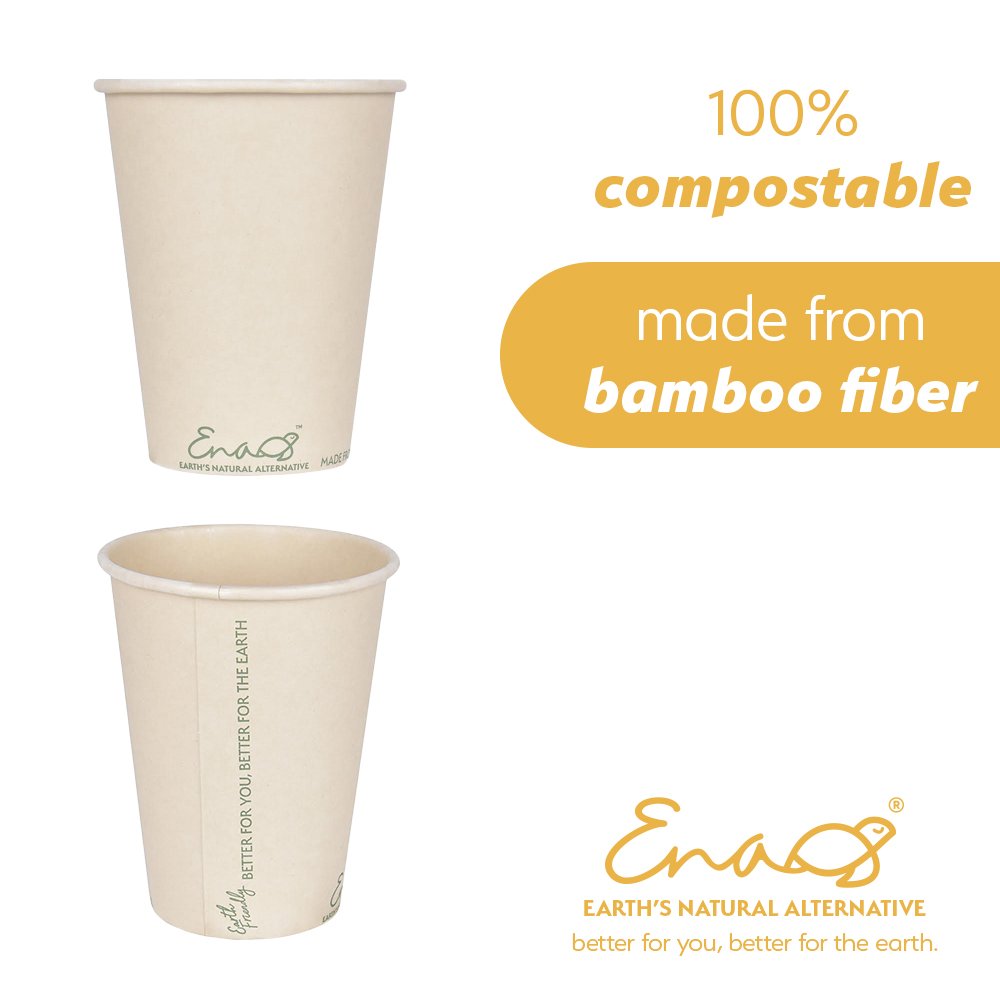
| Bamboo | Grows quickly and requires less water than trees; sustainable choice for eco-friendly packaging. |
Many people confuse biodegradable and compostable cups. While both types break down, they do so in different ways. Biodegradable cups can break down naturally over time, but they may still leave some waste behind. Compostable cups, on the other hand, must meet specific certification standards to fully break down in a composting environment. It’s essential to choose cups that are certified compostable, as they ensure that the product will decompose properly with minimal environmental impact.
When buying sustainable disposable cups, look for certifications to trust the quality. The Biodegradable Products Institute (BPI) is a leading organization that certifies compostable products. A BPI certification indicates that the cups meet strict standards for compostability. Other certifications to consider include CMA and TúV Austria, which also focus on ensuring environmental safety.
| Certification | Description |
|---|---|
| BPI Certified | Indicates that cups meet strict compostability standards. |
| CMA | Focuses on certifying compostable materials. |
| TúV Austria | Ensures environmental safety of products. |
Many brands support the use of sustainable disposable cups. For example, Eco-Products offers Green Stripe Cold Cups, which are 100% made from plant-based PLA. These cups are BPI certified and typically cost around $193.91 for 1,000 cups, making them competitive in price. World Centric sells No Tree Paper Hot Cups for $255 for 2,000 cups. These cups are made from sugarcane bagasse, ensuring tree preservation. Another great option is Earth’s Natural Alternative, offering compostable cups that are both durable and customizable for $24.99 for 80 cups.
Switching to sustainable disposable cups provides various environmental benefits. These cups help reduce plastic waste, which is essential for preserving our planet. They help lower the carbon footprint by utilizing renewable resources and avoiding harmful chemicals like BPA and phthalates. Bamboo-based cups can sequester up to twice the carbon dioxide compared to traditional trees. By opting for sustainable cups, you also support companies that follow ethical and environmentally friendly practices.
Pricing and availability of sustainable disposable cups vary widely. Generally, companies try to offer competitive prices to attract eco-conscious consumers. For instance, Eco Kloud Hot or Cold Cups sell for $89.99 for 1,000 compostable cups. Avant Grub provides 100% biodegradable cups for $19.99 per 100 cups. Market demand also influences availability, with more common materials like PLA and paper being easier to find in bulk. Many brands also sell in smaller quantities for those who only need cups for smaller gatherings.
In summary, selecting sustainable disposable cups allows you to contribute to a healthier planet while enjoying the convenience of disposable products. By choosing certified cups and supporting eco-friendly brands, you play a crucial role in reducing plastic pollution. Understanding the available materials, certifications, and brands can help you make informed decisions that align with your values. Whether for large events or small gatherings, there are more sustainable options out there than ever before.
Types of Sustainable Disposable Cups
What types of sustainable disposable cups are available?
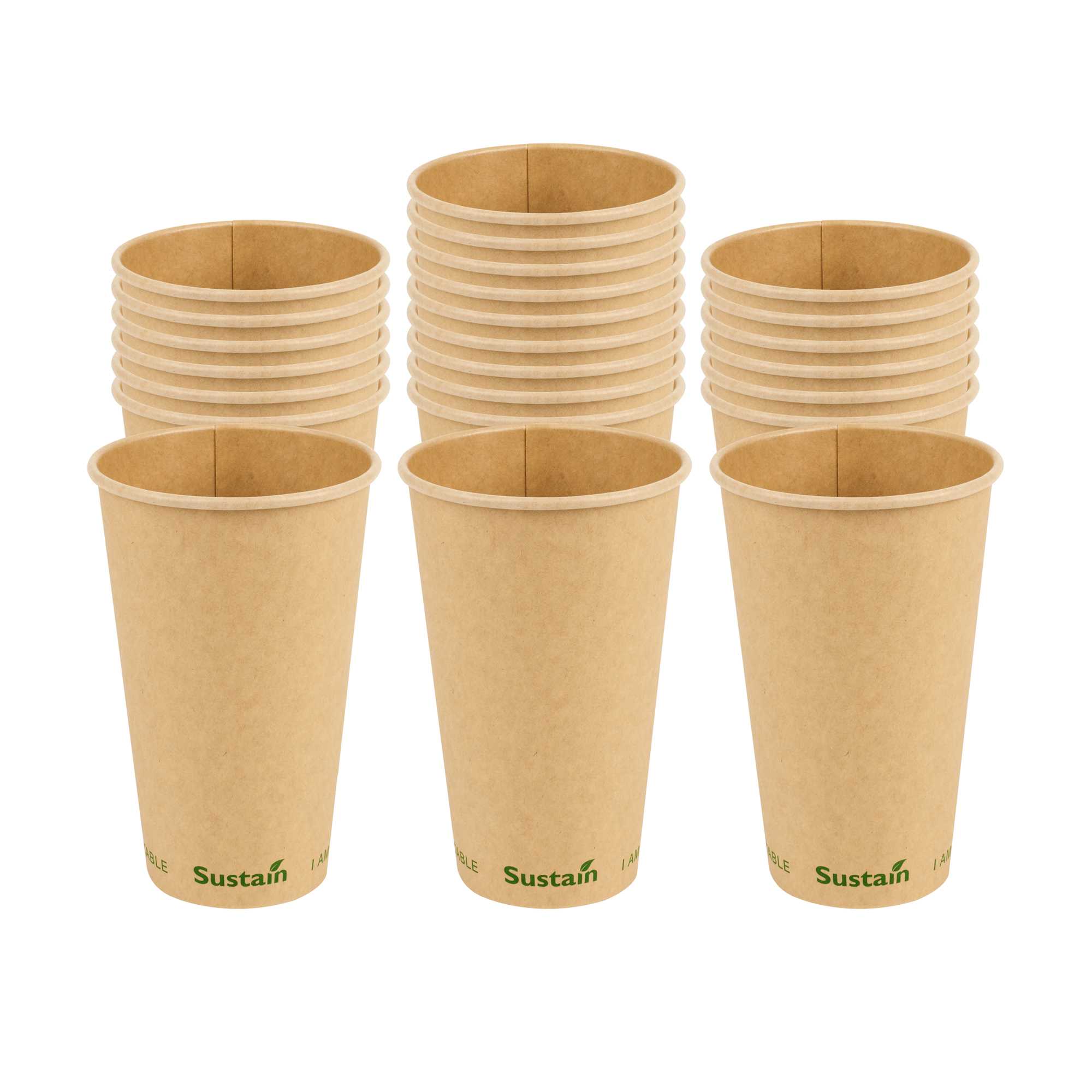
Sustainable disposable cups come in various types that cater to different needs and settings. The most common categories include compostable cups, biodegradable cups, and those made from plant-based materials. Compostable cups are often made from resources like cornstarch or bamboo and break down in commercial composting facilities.
When looking for compostable cups in bulk, you can find options like Eco-Products Green Stripe Cold Cups, which are made from plant-based PLA. These cups carry the BPI certification, which ensures they meet strict compostability standards. You can buy them at approximately $193.91 for 1,000 cups, making each cup cost only $0.20.
Another popular type involves compostable cups with lids. These cups offer the convenience of a lid while also being eco-friendly. They are essential for beverages that may splatter or for coffee on the go. Brands like Good Start Packaging offer compostable lids made from CPLA for around $111.15 for 1,000 lids.
What are the features of compostable paper cups?
Compostable paper cups offer many benefits. Most importantly, they are made from sustainably sourced materials and are lined with plant-based plastics. This makes them a solid choice for both hot and cold beverages. They will break down in commercial composting environments, returning to the soil without harming it.
The features of compostable paper cups include:
- BPI Certification: This means they follow strict composting guidelines.
- Safe for Hot Liquids: They can handle temperature changes without leaking.
- No Harmful Chemicals: Free from BPA, melamine, and phthalates, ensuring no leaching occurs.
- Various Sizes: Available in various sizes for different drink types.
These qualities make compostable paper cups a fantastic alternative for environmentally conscious consumers.
How do I choose between biodegradable and compostable coffee cups?
Choosing between biodegradable and compostable coffee cups requires understanding the key differences. While both types are designed to lessen environmental impact, their disposal methods vary.
| Type | Description |
|---|---|
| Biodegradable Cups | Made from materials that can break down over time but may not decompose in a commercial facility. |
| Compostable Cups | Specifically designed to decompose in commercial composting systems and must meet certain certification tests. |
In general, if you want a cup that will break down effectively in a composting environment, opt for compostable coffee cups.
Are there options for sustainable disposable cups with lids?
Yes, there are many options for sustainable disposable cups with lids. Brands like Naeco offer biodegradable coffee lids that are both recyclable and compostable. They come in packs of 1,000 and are priced around $69.00. Using these cups helps keep beverages secure and minimizes spillage.
Look for materials that are plant-based, as these will often carry BPI certification. The combination of both cup and lid allows for an eco-friendly experience.
What are the pros and cons of using sugarcane paper cups?
Sugarcane paper cups offer a mix of advantages and disadvantages. Here’s a look at both:
Pros:
- Renewable Resource: Sugarcane is a rapidly renewable resource, helping to reduce reliance on trees.
- BPI Certified: Many sugarcane cups meet strict composting standards, making them environmentally responsible.
- Sturdy: They can handle hot beverages, providing good insulation without leakage.
Cons:
- Availability: In some areas, they may be harder to find in stores or online.
- Price: They can sometimes cost more than regular disposable cups.
- Limited Recycling: Like many disposable cups, they are generally not recyclable due to their lining material.
Considering these factors can help you make a well-informed choice.
Can I find sustainable cups suitable for weddings or events?
Absolutely! Sustainable cups are perfect for weddings and events. You can find plenty of options that align with your eco-friendly values. For a wedding or big event, you might want to consider options like personalized glass or stainless-steel cups. These can be reused, adding a special touch while also being sustainable.
You can also rent glassware to cut costs. Many local rental companies offer affordable options. Another choice is to use stylish stemless compostable cups for cocktail hours. Brands like Earth’s Natural Alternative provide customizable solutions that are both attractive and eco-friendly.
Where can I purchase bulk sustainable disposable cups near me?
Purchasing sustainable disposable cups in bulk is easier than ever. Online marketplaces like Amazon or specialty websites often carry a range of options. Local stores focusing on eco-friendly trends may also have what you need.
For example, stores like Whole Foods or health food co-ops may stock these products. When choosing a provider, look for bulk buy options to save money while reducing your carbon footprint. Be sure to check for BPI or other certifications to ensure the cups are genuinely sustainable.
In conclusion, numerous sustainable disposable cup options are available, from compostable paper cups to lined biodegradable ones. Knowing their features and certifications helps make informed choices, perfect for personal use or larger gatherings. With many brands competing in this space, it’s easier than ever to reduce plastic waste and choose eco-friendly alternatives.
Practical Considerations for Sustainable Disposable Cups
How should I dispose of sustainable disposable cups properly?
Disposing of sustainable disposable cups correctly is crucial to maximizing their eco-friendly benefits. Most of these cups are designed to be composted, not recycled. It's essential to check if there's a commercial composting facility in your area. If you find one, make sure that the cups are indeed certified compostable by organizations like the Biodegradable Products Institute (BPI).
Commercial composting facilities can break down biodegradable materials like corn-based PLA or sugarcane paper cups. These cups need specific conditions to compost effectively, including heat, moisture, and oxygen. That means they won't break down in a home compost pile. If there are no commercial composting options nearby, it's better to throw them in the trash.
What are the potential downsides of using biodegradable cups?
Even if biodegradable cups seem like the perfect solution, they have potential downsides. One major issue is they generally cannot go into regular recycling bins due to their coatings. Most of these cups contain polyethylene lining, which complicates recycling processes.
Long-term storage is another concern. If biodegradable cups sit in landfills, they can take years to decompose without the right conditions. Biodegradable cups often come with a premium price tag, which may deter some buyers from choosing them. Additionally, public awareness is low about their proper disposal. This can lead to consumer confusion or improper disposal practices, undermining their environmental benefits.
Can I recycle compostable cups?
Compostable cups are typically not recyclable through standard recycling programs. Many are lined with materials that prevent conventional recycling. For example, PLA-lined cups can confuse recycling facilities, especially when they are mixed with standard paper cups. It's best to focus on composting these cups in the correct environment.
That said, some companies are now producing cups that are entirely recyclable. Look for options made from FSC-certified paper lined with plant-based resins. Always check local recycling guidelines before disposing of any cups. Many regions may not have access to facilities that can process compostable materials correctly.
What are the best sustainable practices for events using disposable cups?
When planning an event, choosing the right cups is key. Here are some best practices for using disposable cups sustainably:
-
Choose compostable options: Opt for cups that are certified compostable, like those made from PLA or sugarcane paper.
-
Provide disposal bins: Place clearly labeled composting bins next to trash bins to encourage guests to dispose of cups properly.
-
Rent glassware: For larger events, renting glassware is eco-friendly and often cost-effective.
-
Encourage reusable cups: Consider giving guests reusable cups as party favors. This promotes longevity and reduces future waste.
-
Thrift and donate: If you decide to use disposable cups, consider sourcing secondhand ones or donating leftover cups to local organizations after the event.
How do commercial composting facilities handle these cups?
Commercial composting facilities follow strict protocols to ensure proper breakdown of compostable cups. Once received, the cups are mixed with organic waste, such as food scraps and yard waste. This mixture is turned frequently to add oxygen and promote aerobic digestion.
Facilities maintain ideal conditions of temperature and moisture to speed up the composting process. Generally, they can break down compostable cups within 90 to 120 days, turning them into nutrient-rich compost. It is important to note, however, that not all composting facilities accept every type of compostable material. Always check their guidelines before disposal.
What are creative ideas to repurpose sustainable disposable cups?
There are many ways to repurpose sustainable disposable cups, fostering creativity while minimizing waste. Here are some ideas:
-
Planters: Use them as small planters for herbs or succulents. Simply poke holes in the bottom for drainage.
-
Craft projects: Kids can use them for crafts or as paint containers.
-
Party favors: Fill them with candy and tie a ribbon around them for a cute party favor.
-
Cup organizers: Stack them for an organizational tool for pens or miscellaneous items.
-
Seedling starters: Use them to start seedlings before transplanting them into the garden.
Repurposing can really stimulate creativity while reducing waste.
How to ensure that my choice of cups aligns with my environmental values?
Choosing the right disposable cups requires awareness of several factors to ensure they align with your environmental values. Here are steps to follow:
-
Research certifications: Look for certifications like BPI, CMA, or TúV Austria, which guarantee compostability.
-
Evaluate materials: Choose cups made from renewable resources, like bamboo or sugarcane, and ensure they’re free from harmful chemicals like BPA and phthalates.
-
Local availability: Source cups from local vendors to reduce transportation emissions.
-
Consider functionality: Ensure that whatever cup you choose fits the event type. For instance, for hot beverages, select insulated types.
-
Seek out reviews: Look for reviews or case studies on the cups you're considering. This can guide you in making an informed decision.
By following these guidelines, you can confidently select sustainable disposable cups that align with your eco-friendly values.
FAQs about Sustainable Disposable Cups:
What are sustainable disposable cups?
A: Sustainable disposable cups are made from environmentally friendly materials that help reduce plastic waste and can break down without harming the environment.
How do I choose between biodegradable and compostable coffee cups?
A: To choose between biodegradable and compostable coffee cups, you should understand that biodegradable cups break down naturally over time, while compostable cups must meet specific certification standards to effectively decompose in a composting environment.
Where can I purchase bulk sustainable disposable cups near me?
A: You can purchase bulk sustainable disposable cups through online marketplaces like Amazon or from local eco-friendly stores, with an emphasis on finding BPI-certified products.
How should I dispose of sustainable disposable cups properly?
A: Proper disposal of sustainable disposable cups involves composting them in a commercial facility that accepts certified compostable materials since they typically should not be placed in recycling bins.
What are the pros and cons of using sugarcane paper cups?
A: The pros of sugarcane paper cups include being a renewable resource with BPI certification, while the cons entail potential issues with availability, higher costs than regular disposable cups, and limited recycling options due to their lining.
Sustainable disposable cups are a smart choice for our planet. We explored their benefits, materials, and certifications. Brands offer a range of options, from coffee cups to event cups. Knowing how to dispose of these cups properly leads to better recycling and composting.
In my view, choosing these eco-friendly cups helps reduce waste. Let's pick options that match our values and care for the environment. Together, we can make a difference for a cleaner future.