
What is a Paper Cup Factory and Its Importance?

A paper cup factory is a specialized facility that produces various types of paper cups. These cups are essential in the food and beverage industry, primarily used for serving drinks, particularly coffee, tea, and soft drinks. The factory operates several key functions that allow it to meet the growing demands of consumers and businesses.
One core function is the sourcing and preparation of raw materials. Paper cups are typically made from high-quality paper that adheres to specific sustainable certifications. For example, the Forest Stewardship Council (FSC) and Programme for the Endorsement of Forest Certification (PEFC) ensure responsible sourcing of wood and paper products.
The role of a paper cup factory is crucial in the disposable cup industry. These factories not only contribute to the economy but also help businesses serve their customers efficiently. With the increasing popularity of coffee consumption in out-of-home settings, the need for disposable solutions has grown significantly. The factory supplies a variety of products that cater to cafes, restaurants, and events, ensuring that these establishments can serve drinks conveniently.
Recently, the demand for paper cups has transformed. According to statistics, over 16 billion single-use cups are thrown away each year, contributing to significant waste. Rising awareness of environmental issues has led consumers to favor eco-friendly options. Many are willing to pay more for sustainable products, with approximately 73% stating they would choose brands with eco-friendly initiatives.
Typically, a paper cup factory manufactures different types of paper cups. It ranges from standard paper cups for hot beverages like coffee to cold drink cups and even specialty cups designed for soups or ice creams. Companies now also focus on producing biodegradable coffee cups wholesale in response to consumer demand for sustainable options.
Why are paper cups favored over plastic cups today? The primary reason is environmental impact. Paper cups offer a biodegradable alternative that can decompose in a composting environment within 90 to 180 days. Moreover, modern innovations in manufacturing have led to the development of compostable cups made from sugar cane waste (bagasse) and bamboo, which are entirely compostable. These advancements reduce reliance on plastics, which can take centuries to decompose.
Another vital factor is the production of sustainable materials. Factories are now opting for new technologies that require less deforestation and promote greener practices. By using food-grade eco-friendly materials and obtaining compostability certifications such as ASTM D6400, they ensure their products contribute positively to the environment.
The increasing shift toward sustainability has not only changed the types of cups produced but also shifted consumer perceptions. Businesses are realizing the benefits of custom paper cups that enhance brand visibility. Studies show that personalized packaging can increase brand recall by 70%, making it a powerful tool for marketing. Moreover, when businesses promote eco-friendly options, they can see up to a 30% increase in customer engagement during events.
While the average cost of custom printed paper cups varies from $0.25 to $0.50 per cup depending on design and order volume, many businesses find it a worthwhile investment. The production timelines for these cups typically last between 10 to 15 business days, influenced by the complexity of the design and size of the order.
In conclusion, the paper cup factory plays a significant role in the disposable cup market. With changing consumer demands and heightened awareness of environmental issues, these factories are adapting to produce eco-friendly solutions. By emphasizing sustainability and customization, they are not only meeting current market needs but also laying the groundwork for a more sustainable future.
How Are Paper Cups Manufactured in a Factory?

Manufacturing paper cups involves a detailed, step-by-step process. Each phase requires careful planning to ensure high-quality products. Here’s how it works:
-
Material Selection: The primary material for paper cups is food-grade paperboard. This paperboard is often sourced from sustainable timber, ensuring responsible forestry practices. Many manufacturers use recycled paper or certified virgin fibers that meet environmental standards, such as FSC (Forest Stewardship Council).
-
Making Paper Sheets: In the production facility, timber is transformed into pulp using a combination of water and chemicals. The pulp is then pressed and dried to form large sheets of paper. These sheets are crucial for making different types of paper cups.
-
Printing and Coating: Before the paper sheets are shaped into cups, they often receive printed designs. Custom branding is common here. Coatings are also applied to provide wet strength and insulation, allowing the cups to hold both hot and cold beverages.
-
Forming the Cups: The coated sheets feed into a machine that cuts and shapes them into cups. This is mainly done through a series of molds and heat-sealing processes. Heat-sealing ensures the layers of paper bond tightly, which is critical for durability.
-
Adding Lids: For disposable coffee cups, manufacturers often produce lids that fit securely on standard sizes, like 8 oz and 12 oz cups. Lids are either snap-on or sip-through types for easy drinking.
-
Quality Control: Every batch undergoes rigorous quality checks. This step ensures that cups meet food safety standards and perform well in various conditions.
- Packing and Distribution: Once the cups pass quality checks, they are stacked, packed, and shipped to clients. The packaging must protect the cups from damage during transit.
Which materials are primarily used in paper cup production?
| Material | Description |
|---|---|
| Paperboard | Main component sourced from recycled or certified sources. |
| Plastic Coating | Used for waterproofing in traditional cups. |
| Inks | Eco-friendly inks to ensure safety for the cup contents. |
| Bio-based Materials | Sugarcane waste (bagasse) and bamboo for compostable cups. |
How do manufacturers ensure the sustainability of their products?
Sustainability is a priority for many manufacturers. Here’s how they incorporate sustainable practices within their operations:
- Material Certification: Manufacturers often use paperboard certified by organizations like FSC or PEFC, ensuring sustainable sourcing.
- Compostability Standards: Products are now being made to conform to the EN13432 standard, which guarantees that cups break down in composting facilities.
- Reduces Waste: New technologies focus on minimizing waste in production, using by-products from other industries where available.
- Eco-friendly Printing: Manufacturers opt for techniques that utilize less harmful chemicals and inks, promoting a greener production process.
What new technologies are being implemented in modern paper cup factories?
Modern factories are embracing innovative technologies such as:
- Advanced Forming Techniques: These methods improve the efficiency and speed of cup production while reducing material waste.
- Biodegradable Coatings: New coatings that allow for heat resistance without relying on plastics are being developed.
- Automated Quality Control: AI and machine learning assist in identifying defects during production, ensuring only the best products reach consumers.
- Energy-efficient Systems: Factories are adopting renewable energy sources to power machinery and production processes, lowering their carbon footprint.
What quality controls are in place during the manufacturing process?
Quality assurance is integral to manufacturing, focusing on several core aspects:
| Quality Control Method | Description |
|---|---|
| Consistent Sampling | Regular sampling of raw materials for quality assurance. |
| Visual Inspections | Cups undergo visual inspections for defects before packing. |
| Testing for Strength | Tested for ability to hold hot liquids without leaking. |
| Certification Compliance | Adherence to food safety and sustainability standards. |
How do the manufacturing processes differ for compostable versus traditional paper cups?
The production processes vary significantly based on the type of cup being produced:
- Material Differences: Traditional paper cups often use plastic linings for waterproofing, while compostable cups use materials like PLA derived from cornstarch or no lining at all.
- Decomposition Process: Compostable cups break down in 90 to 180 days in suitable composting facilities, while traditional cups can take years to decompose due to plastic content.
- Production Emissions: Compostable cup production typically has a lower carbon footprint due to reduced energy consumption, unlike traditional methods.
Understanding these factors can help businesses make more informed decisions regarding their cup options, especially as consumer preferences shift towards eco-friendly alternatives. The push for sustainable practices is reshaping not just consumer habits but also the entire paper cup factory landscape.
What Customization Options and Business Partnerships Can Be Explored with a Paper Cup Factory?
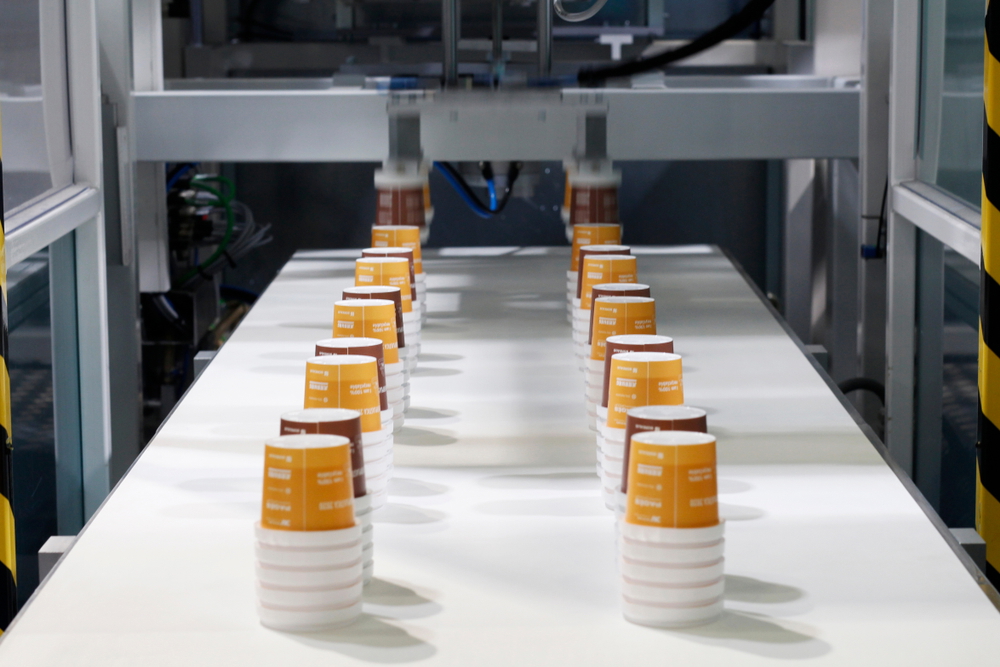
When you consider the options from a paper cup factory, there are many customization opportunities that can suit different business needs. Businesses can order custom paper cups in various sizes, including 8 oz for coffee and larger options for drinks. The design can be tailored with your logo, brand colors, and graphics, allowing you to create a unique experience for your customers. Studies show that using personalized packaging can increase brand recall by up to 70%. This is a significant boost in awareness whenever your cups are seen.
Another popular choice is the use of biodegradable cups with lids. These options not only support your brand's eco-friendly initiatives but also provide a sustainable alternative to plastic. You’re not just selling a drink; you’re promoting a lifestyle that cares for the planet.
Partnering with Paper Cup Manufacturers
Once you decide on customization, partnering with a paper cup manufacturer is key. This relationship can be very beneficial, especially when fulfilling large orders. Businesses often seek to buy paper cups in bulk for reasons like cost efficiency and availability.
The average cost for custom printed paper cups typically ranges from $0.25 to $0.50 per cup, depending on the complexity of the design and order volume. Many manufacturers offer discounts for larger purchases, which can significantly lower costs compared to smaller orders. A minimum order quantity (MOQ) of 500 cups is common in the industry. Though this may seem like a lot, it helps ensure better pricing tiers and allows you to keep stock on hand.
Factors Influencing Pricing of Custom Printed Paper Cups
| Pricing Factor | Influence on Costs |
|---|---|
| Customization Complexity | Higher complexity can increase the cost of production. |
| Materials Used | Sustainable options tend to have higher production costs. |
| Printing Technology | High-quality techniques may result in increased costs but enhance marketing. |
Understanding Minimum Order Quantities (MOQ)
Minimum order quantities can deeply affect your purchasing decisions. A factory’s MOQ often allows them to operate efficiently, but it may pose a challenge for small businesses or startups. A typical MOQ of 500 cups may seem daunting, but consider it an investment. Keeping stock can enable quick turnaround for your customers and prevent any disruptions in service.
Additionally, with entities like International Paper Company and Dart Container Corporation offering strategic solutions, you can find partnerships that fit your business needs. They both focus on providing a broad array of disposable food and beverage containers, which can streamline your supply chain.
The Value of Branded Paper Cups in Marketing
Leveraging branded paper cups for promotional purposes can yield significant returns. Reports show businesses using branded cups often experience up to a 30% increase in customer engagement during events and promotions. Imagine handing out a coffee in a cup featuring your logo. Every sip becomes an opportunity for brand exposure.
Formulating a marketing plan that incorporates custom paper cups helps tie your brand into the daily lives of consumers. Research shows that consumers increasingly prefer brands with visible eco-friendly initiatives, with 73% indicating they are willing to pay more for sustainable products. Branded cups not only enhance brand visibility but can also foster loyalty from eco-conscious consumers.
Evaluating Paper Cup Manufacturers
Finding a reliable paper cup manufacturer is crucial for long-term partnerships. Start by checking the manufacturer’s reputation through online reviews and industry references. Companies like EcoQuality Corporation prioritize eco-friendly disposable products, while Solo Cup Company is known for its sturdy construction and innovative designs.
Another factor to consider is certification. Look for manufacturers that comply with sustainable practices and have certifications such as FSC and compostability standards like ASTM D6400. This ensures that your cups come from responsibly sourced materials and contribute to environmentally safe disposal.
In evaluating your options, don’t hesitate to reach out to the manufacturer directly. Requesting quotation and understanding their production timelines—which often range from 10 to 15 business days—can help you align your ordering process with your business needs.
With rising demand in the paper cup market, projected to reach $12 billion by 2030, investing in a dependable paper cup factory will place your business on the path to success. Embracing these customization options and exploring partnerships leads to more than just providing cups; it offers a sustainable business model that resonates with today's environmentally-aware consumers.
FAQs about Paper Cup Factories
What is a paper cup factory?
A paper cup factory is a specialized facility that produces various types of paper cups used mainly in the food and beverage industry.
How are paper cups manufactured in a factory?
Manufacturing paper cups involves a detailed process including material selection, making paper sheets, printing and coating, forming the cups, adding lids, quality control, and packing for distribution.
Which materials are primarily used in paper cup production?
Paper cup production primarily uses high-quality paperboard, sometimes combined with plastic coatings, eco-friendly inks, and bio-based materials like sugarcane waste and bamboo for compostable cups.
How do manufacturers ensure the sustainability of their products?
Manufacturers ensure sustainability by sourcing certified materials, adhering to compostability standards, reducing waste, and utilizing eco-friendly printing techniques.
What factors influence the pricing of custom printed paper cups?
Pricing of custom printed paper cups is influenced by customization complexity, materials used, printing technology, and the volume of the order.
In this post, I explored paper cup factories and their key roles. We looked at how these factories produce cups, adapt to demand, and prioritize sustainability. You now know about the types of cups made and the benefits for businesses.
As we shift away from plastic, paper cups present a better choice. Choosing the right factory can support eco-friendly practices while meeting your needs. Let’s embrace this change for a greener future.